
Leisure
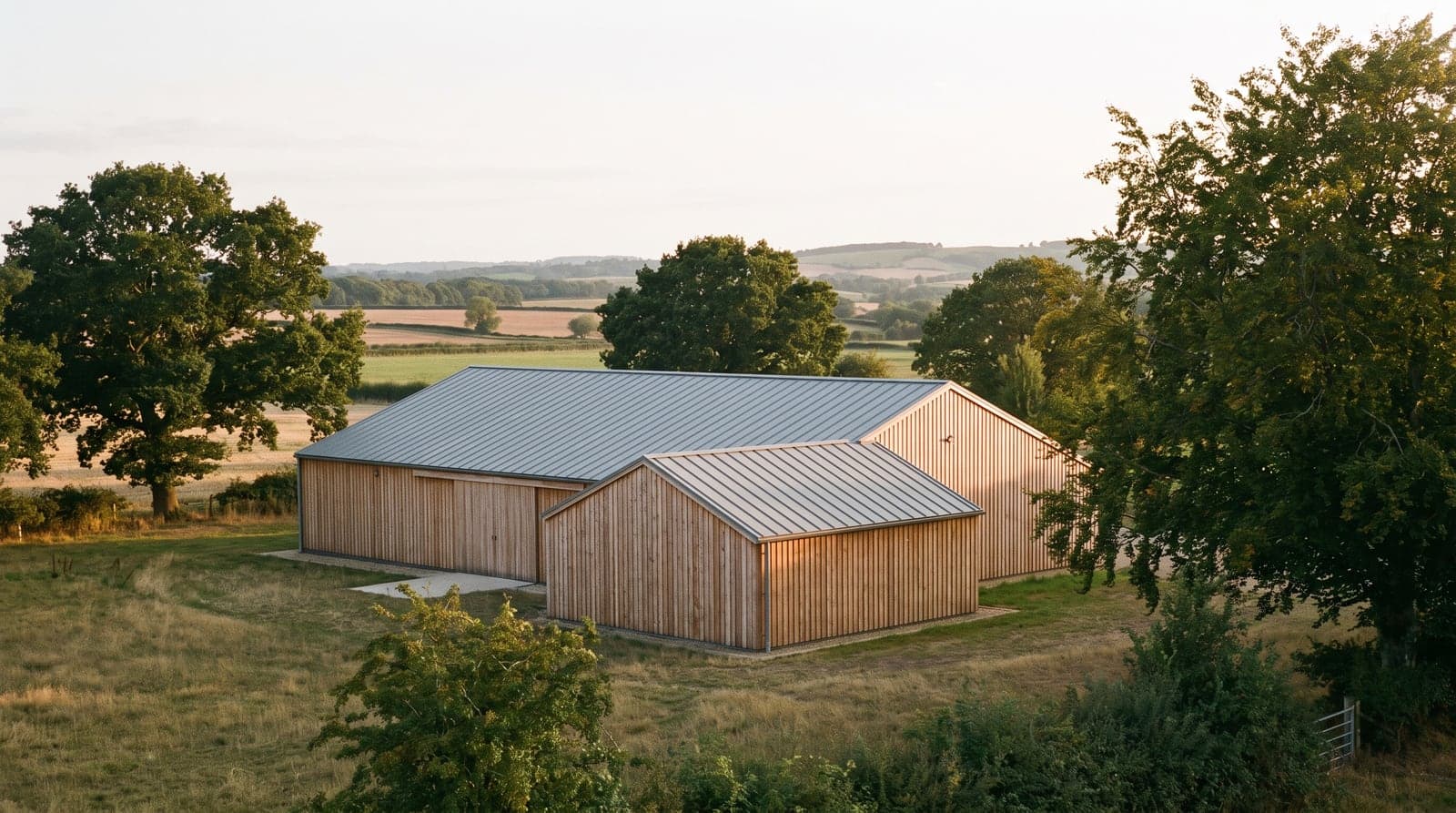
Activity barn, West Midlands
A planning condition discharged without a single measurement, because measuring would have proved nothing.
The challenge
A residential conference and activity centre on a rural estate had planning permission for a new activity barn, with a condition attached: before the building could be used at all, a detailed noise management plan had to be submitted and approved in writing. The condition wanted three things: the noise-generating activities identified, the measures that would control them, and arrangements for monitoring and review.
Two facts made a conventional noise survey pointless. The barn had not been built, so there was nothing to measure. And the activities going into it were not new: they had been running on the estate for four decades, latterly inside a large temporary marquee pitched in roughly the same spot each year. Modelling a use with that history would have cost the client money and told the council nothing it did not already know.
What we did
We agreed the approach with the case officer before permission was even granted, which is the part that made the rest possible. The plan was written as a management document rather than a numerical assessment, and it set out plainly why that was the right instrument.
Three things carry the argument. The activities are long established on the site. In four decades of operating there is a single noise complaint on record, which is better evidence that the arrangement works than any prediction could be. And the new barn is a permanent, enclosed, insulated building replacing a fabric marquee, so the development should make things quieter, not louder.
From there the plan does the practical work. It catalogues what actually happens in the building, from indoor sport and conferences through to the annual gatherings with live music. It sets the operating rules: doors and the roller shutter closed whenever there is amplified sound, signage at every door, the requirement written into booking terms, amplified sound kept as low as the event allows with particular care over bass, and a hard stop on the PA by eleven. Internal drapes divide the hall so simultaneous groups do not have to shout over one another. One named person is responsible.
Monitoring is proportionate to the risk: listening checks after significant events, a walk towards the nearest neighbours at the first evening event and at each annual conference, a written log, a complaints procedure with a named contact, and a formal review after the first year.
The outcome
The plan went in to discharge the condition, addressing each of its three limbs in turn. It proposes no acoustic equipment and no numerical limits. The controls are the building itself, the operating rules and the review mechanism, which is what the condition actually asked for and what four decades of operation support.
The centre ended up with a single document that staff, volunteers, hirers and visiting group leaders are briefed against at the point of booking, and the council with a named contact, an inspectable copy on site and a complaints log it can call for at any time.
A similar project on your desk?
That is genuinely enough to price most jobs. You will have a fixed quote back the same working day.