Why hotel bedrooms are harder than flats
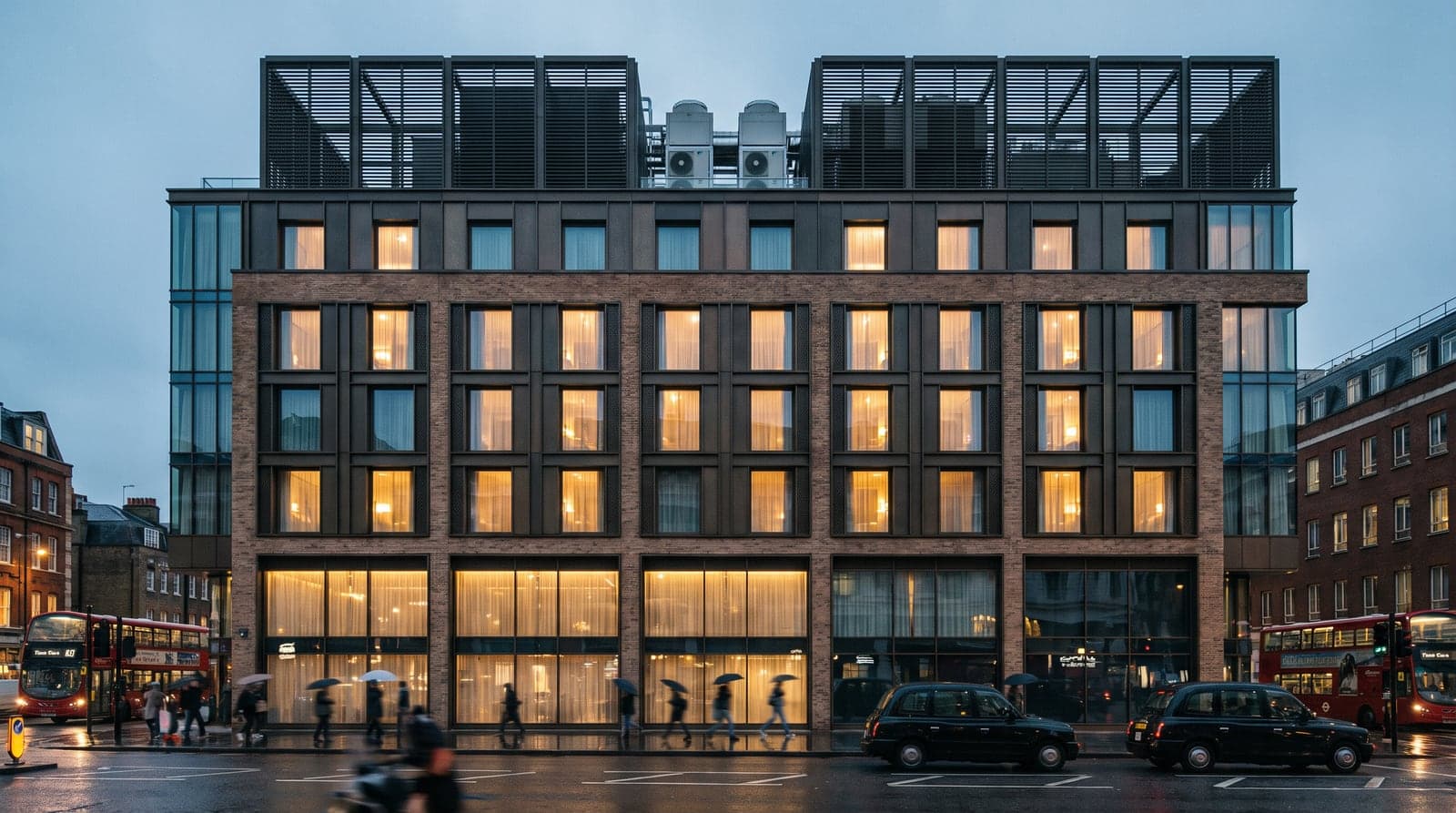
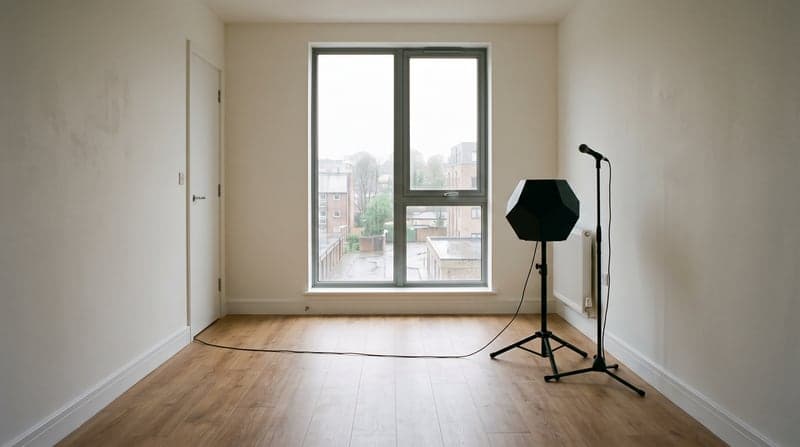
Approved Document E sets minimum sound insulation between dwellings, and hotels are frequently designed to something similar. In practice a hotel needs to do better, because the expectation is different: a guest who can hear the room next door does not adapt to it over months as a resident might. They complain, they leave a review, and the operator refunds the room.
The other difference is the corridor. Flats open onto a communal stair used a few times a day. Hotel corridors carry luggage, cleaning trolleys and people returning at two in the morning, all immediately outside the bedroom door. Door sets and their seals therefore matter more than any other single element, and they are usually the weakest one.
Gyms are the problem nobody prices for
A dropped dumbbell delivers a very high-energy, low-frequency impulse straight into the structure. It propagates through the frame as structure-borne sound and re-radiates from walls and ceilings several floors away, in rooms with no acoustic connection to the gym at all. Occupants describe it as a thud through the building, because that is exactly what it is.
Nothing about a standard floor construction addresses it. The answer is isolation at the source: a properly specified floating platform under the free-weight area, on resilient bearings selected for the load and the frequency range, with the isolation carried up the wall and nothing bridging it. Retrofitting that into an operating hotel is expensive and disruptive, which is why it needs deciding at design stage.
The licence and the neighbours
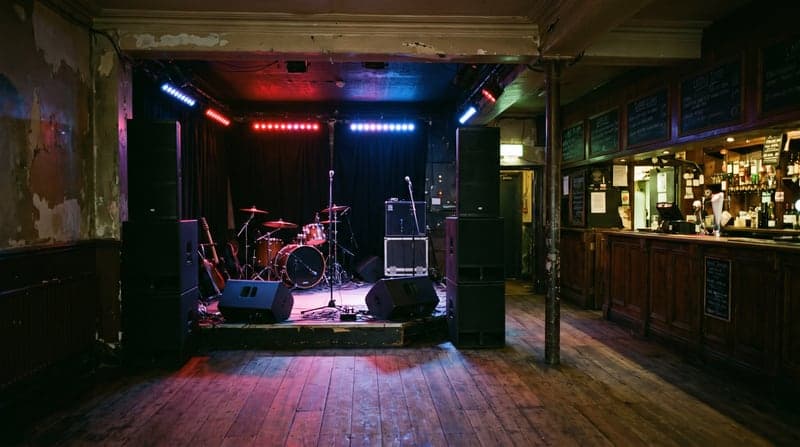
Where a hotel includes a bar, restaurant or event space, the premises licence normally carries noise conditions, and those conditions have to be deliverable by the building as designed. A condition requiring inaudibility at a neighbouring dwelling is a very different technical requirement from one setting a level relative to background, and agreeing which applies before construction avoids designing for the wrong target.
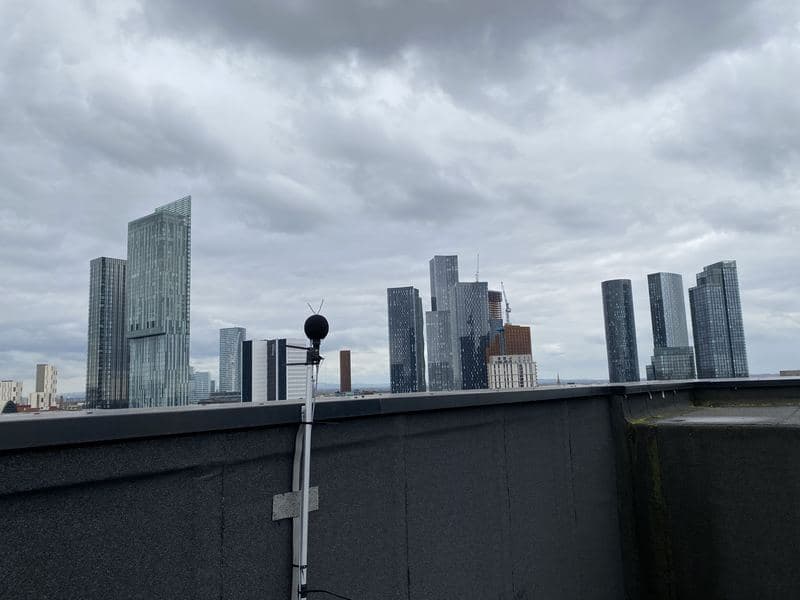
Kitchen extract is the recurring external issue. It runs through the evening into the night, it is often the tallest item on the roof, and it frequently sits closest to the boundary because that is where the kitchen is.