Skip to content
Murray Acoustics
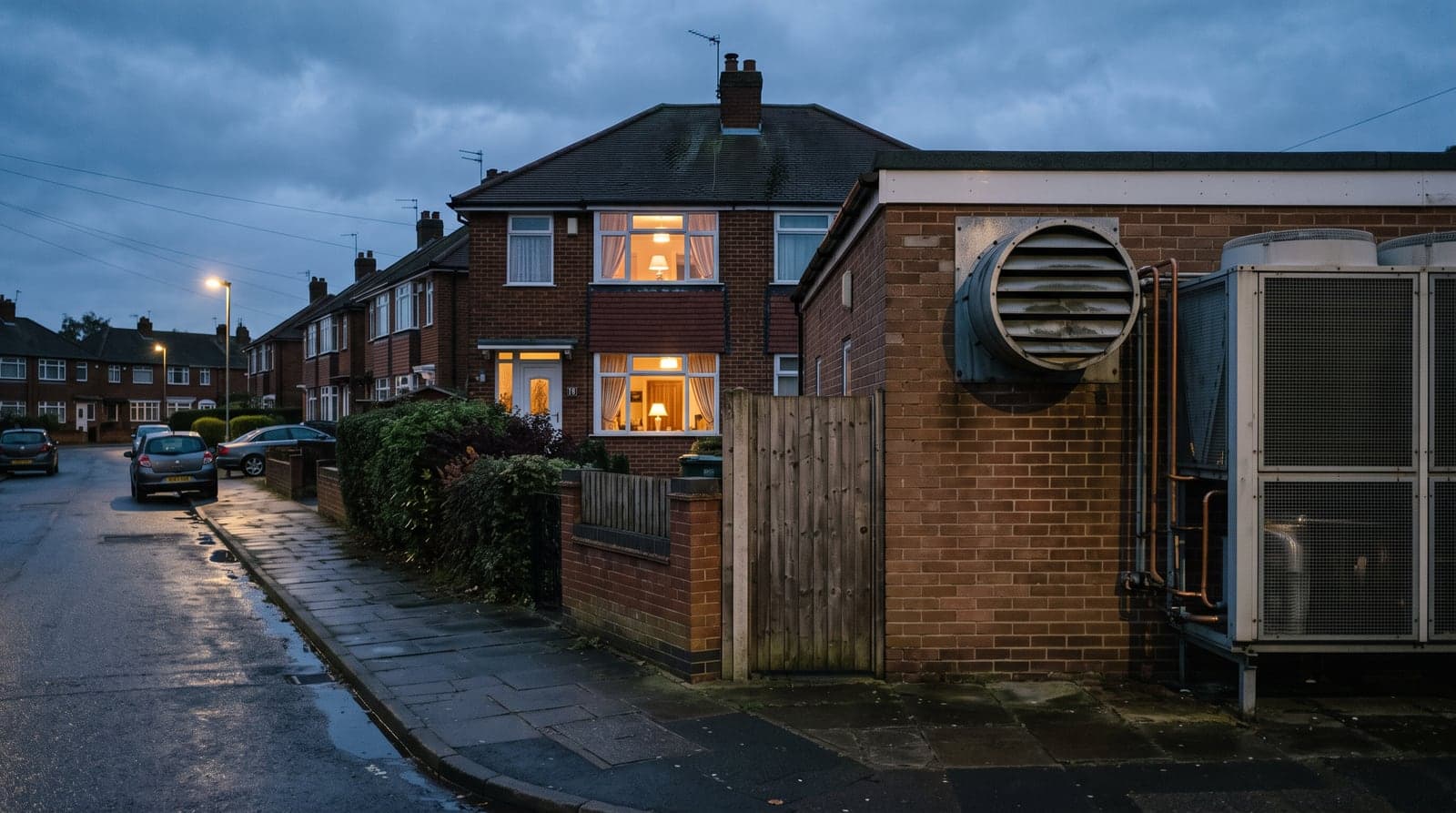
A residential street where a commercial extract fan and condenser sit on the boundary

Noise Complaints

Noise complaints: answer the council with data.

EHO letters, abatement notices and neighbour complaints, answered with data.

Fixed fee agreed up front · Quote back the same working day

The service

What it is, and when you need it.

A noise complaint against your business is an argument about facts, and right now the council only has one side's. We measure what your premises actually produces, assess it against the criteria the EHO is using, and respond in their language: levels, limits, and what happens next.

An EHO letter or visit

The council is investigating a complaint about your premises: music, plant, deliveries, customers. What you do before they decide matters.

An abatement notice

A statutory nuisance notice under section 80 of the Environmental Protection Act 1990. You have 21 days to appeal, and the clock is running.

A neighbour dispute

A complaint about your plant, extract or activity that hasn't reached the council yet, and you'd rather it never did.

A licence under pressure

A review, objection or condition on your premises licence driven by noise. Evidence beats assurances at committee.

What you get

What the fee covers.

One fee, fixed before anything starts. Everything listed here is inside it.

Written to

  • Measurement at the complainant's position or boundary, attended or unattended, covering the periods the complaint is about
  • Assessment against the criteria the council will actually apply: BS 4142 for plant and commercial noise, statutory nuisance principles, licensing guidance
  • A clear answer: is there a case, and if so, exactly what fixes it
  • Mitigation designed to keep you trading (silencers, limiters, screening, management measures), not a shutdown
  • A report and response written for the EHO, plus liaison until the matter is closed
  • Fixed fee agreed up front. No day rates, no surprises.

In detail

How it runs, start to finish

Send whatever you've received (the EHO's letter, the notice, the complaint as it was described to you) with your postcode. We confirm the scope and a fixed fee the same day. Where timing matters, and with an abatement notice it always does, say so: the survey is scheduled around the operating conditions the complaint describes, including evenings and weekends where that's when the alleged noise happens.

The measurement establishes what your premises actually contributes at the complainant's position, separated from traffic and everything else. The assessment then applies the same criteria the council will: BS 4142 rating levels for plant and commercial operations, and the statutory nuisance principles environmental health officers work to. Sometimes the data shows there is no case to answer. That goes in writing to the EHO. Where there is a case, we specify the cheapest fix that closes it, in buildable terms, and deal with the council's questions until the file is closed.

If a notice has been served, the report is written with your appeal deadline in mind and can sit behind your solicitor's submission. The report lands within five working days of the survey; faster where a deadline demands it.
Questions

Asked often.

I've received a noise abatement notice. What should I do?

Act inside the 21-day appeal window. An abatement notice under section 80 of the Environmental Protection Act 1990 can be appealed to the magistrates' court, but only within 21 days of service, and an appeal needs evidence. Get measurement done early: it either shows there's no nuisance, supports an appeal, or tells you precisely what to fix before the deadline pressure turns into prosecution risk.

What counts as a statutory noise nuisance?

Noise that materially interferes with the use and enjoyment of a neighbouring property, judged on frequency, duration, timing, character and context, not a fixed decibel limit. That's why measured evidence matters: it replaces impressions with the levels, times and character corrections the council's own officers work with.

Can the council make me stop trading?

An unresolved abatement notice can lead to prosecution, fines and, for licensed premises, a licence review, which is where trading genuinely comes under threat. Almost every case we see is resolvable well before that with measurement, targeted mitigation and a properly written response. The earlier the data arrives, the more options stay open.

The complaint is about my plant or kitchen extract. Is that different?

That's BS 4142 territory: the plant's rating level is compared against the background sound at the complainant's property, with corrections for tonal or intermittent character. It's the same method the council will use, which is exactly why running it first (with mitigation designed against the numbers) usually settles the matter.

How much does a noise complaint assessment cost?

A fixed fee agreed up front, based on what needs measuring and when. Send the council's letter and your postcode and we'll come straight back with a price. No day rates, no surprises.

How quickly can you attend?

Tell us your deadline. Abatement notice appeals and licensing hearings move fast, and we schedule around them. The report lands within five working days of the survey, sooner where the timetable demands it.

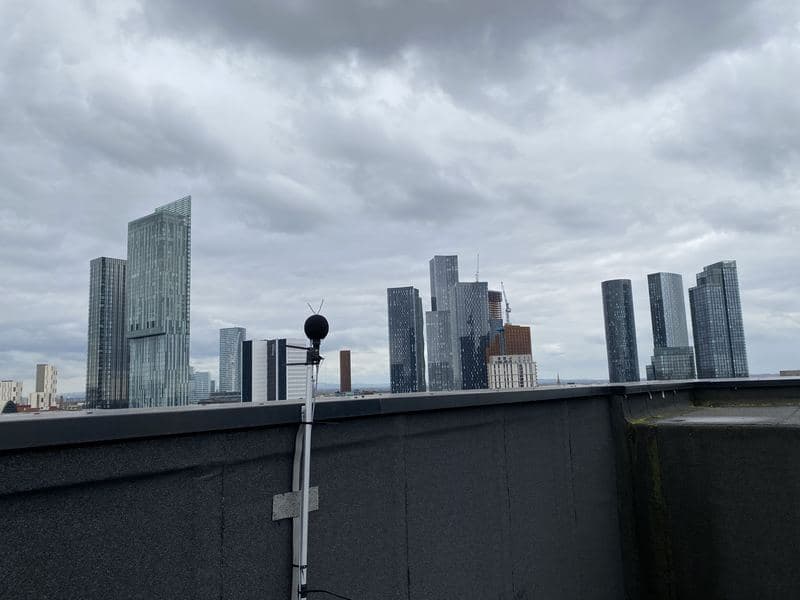
A sound level meter monitoring overnight on a Manchester rooftop

Send a postcode and a sentence.

That is genuinely enough to price most jobs. You will have a fixed quote back the same working day.