Skip to content
Murray Acoustics
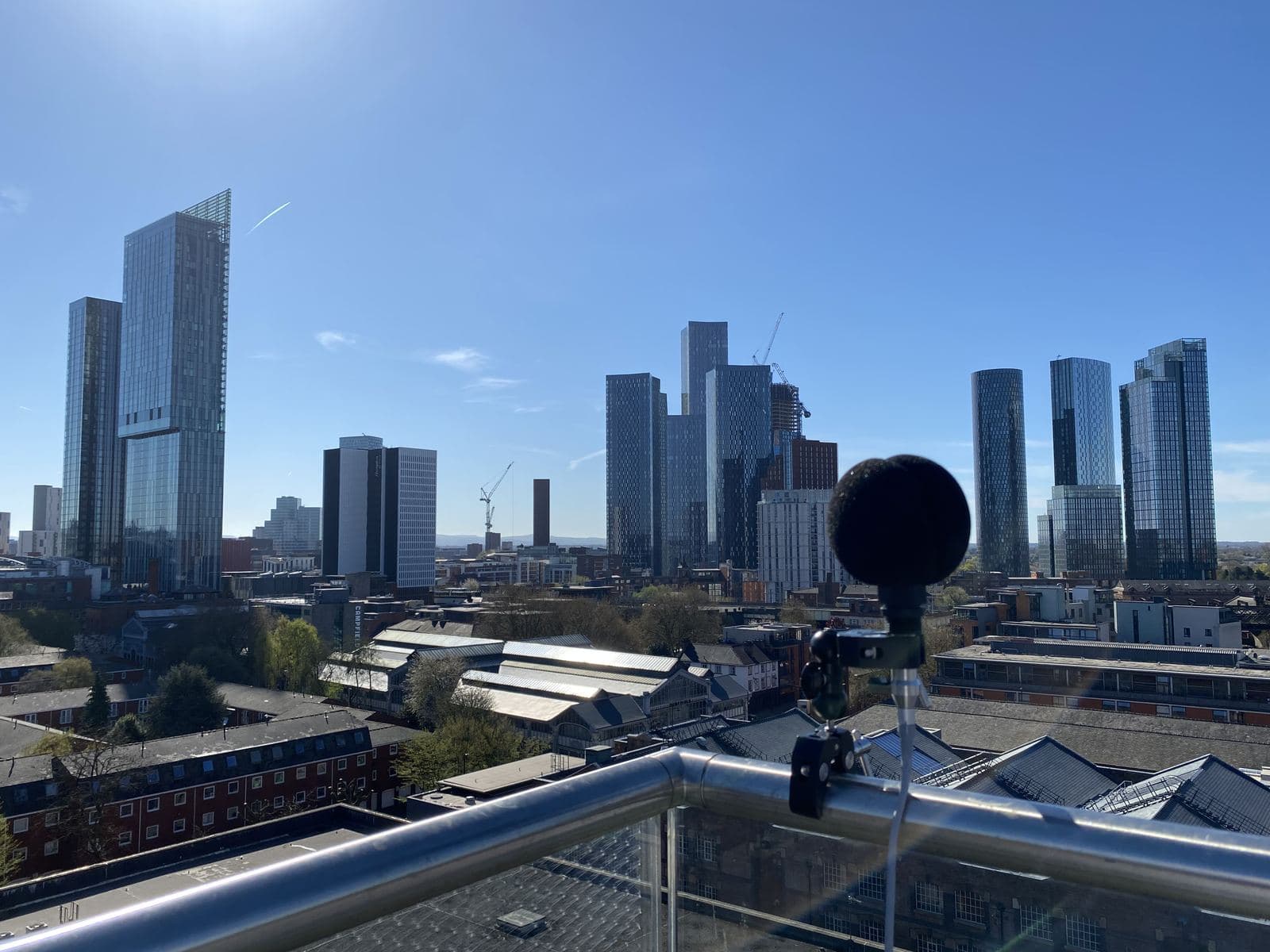
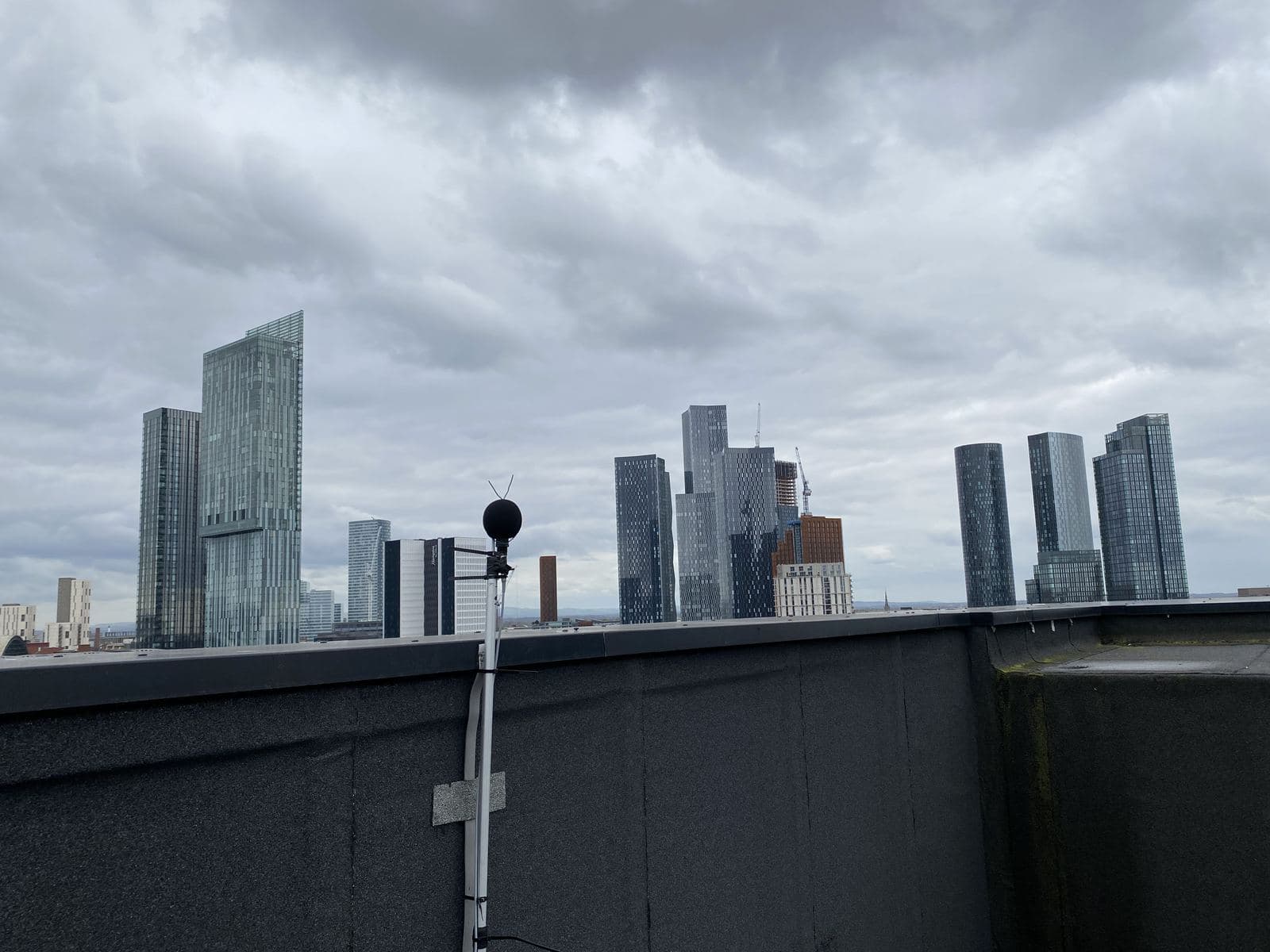
Sound level meter on a rooftop during a plant noise survey, city skyline beyond

Plant Noise

Plant noise assessment: quiet plant, approved.

ASHPs, chillers, kitchen extract and refrigeration, assessed against background.

Fixed fee agreed up front · Quote back the same working day

The service

What it is, and when you need it.

Mechanical plant near homes (air source heat pumps, chillers, kitchen extract, refrigeration, generators), assessed against the background sound level at the nearest homes. MCS 020 for permitted development, BS 4142 for full applications, and attenuation advice when the numbers need help.

A heat pump under permitted development

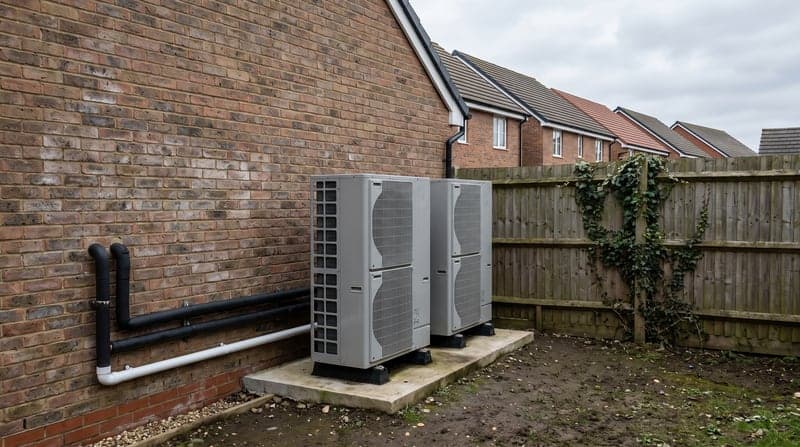
The MCS 020 calculation is mandatory, for single units and multi-unit schemes alike.

New or replacement plant near homes

A BS 4142 condition on your consent, or a council asking for the assessment before it grants.

A change of use with extract

Restaurants, takeaways and commercial kitchens: extract and refrigeration assessed before the application goes in.

A complaint about existing plant

An EHO letter that needs a measured answer, not a guess.

What you get

What the fee covers.

One fee, fixed before anything starts. Everything listed here is inside it.

  • Background sound survey at the nearest noise-sensitive receptors
  • MCS 020 calculation or full BS 4142 rating, as the application requires
  • Plant selection review: flagging noisy kit before it's bought and installed
  • Attenuation specification where needed: silencers, acoustic louvres, barriers, anti-vibration mounts
  • Council liaison until sign-off, covered by the Approval Guarantee
  • Fixed fee agreed up front. No day rates, no surprises.

How it runs, start to finish

Send the postcode, a plant list with manufacturer sound data if you have it, and a plan showing where the kit sits relative to the nearest homes. We confirm the scope and a fixed fee the same day. An MCS 020 calculation is a defined desktop method, so it often needs no site visit at all; a BS 4142 assessment needs a background survey at the nearest receptors, covering the quietest periods the plant will actually run. For a condenser or heat pump operating overnight, that means night-time measurement.

The assessment takes the plant's sound power levels (measured or from manufacturer data), propagates them to each receptor, applies BS 4142 character corrections for tones, impulses and intermittency, and compares the rating level against the measured background. Where the numbers don't clear, we specify mitigation in buildable terms: silencers, acoustic louvres, barriers and enclosures, anti-vibration mounts, or simply moving the unit, then re-run the numbers to show the fix works before anything is ordered.

The report lands within five working days of the survey, structured the way planning officers and EHOs read. If the council comes back with questions, we answer them directly until the plant is signed off. That's the Approval Guarantee.
Where plant assessments go wrong

Manufacturer sound data is the usual culprit. Published figures are measured under defined conditions that rarely match the installation: a unit tested free-field behaves differently mounted in a corner between two hard walls, ducted plant loses or gains depending on the run, and multiple identical units at similar distances combine in a way that a single-unit figure does not capture.

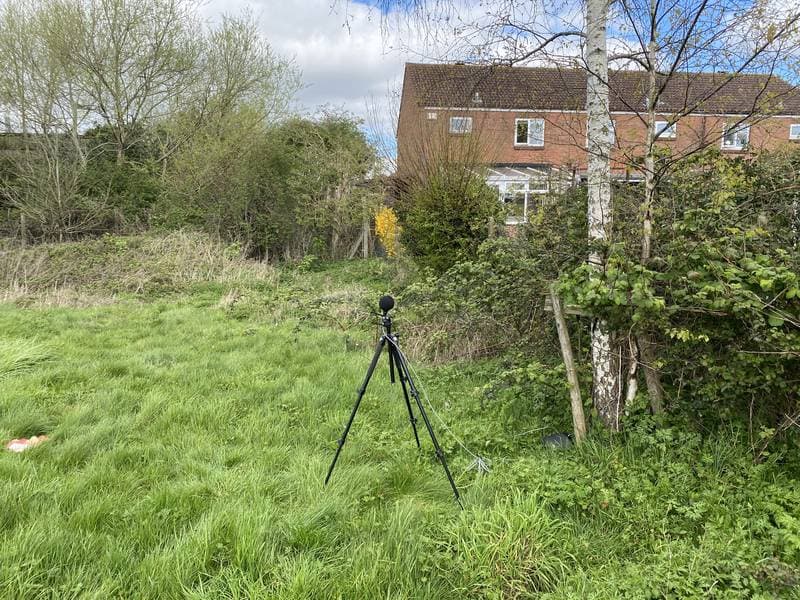
The second recurring problem is the receptor. The nearest dwelling on a site plan is often not the worst affected. A first-floor bedroom window with a clear line of sight to a roof-mounted unit can be considerably more exposed than a ground-floor room a few metres closer but screened by a boundary wall. The assessment position has to be chosen from the geometry, not from the plan.

Third is operating pattern. Plant assessed at typical load understates the case where the controlling condition is peak demand on a still summer night, which is exactly when windows are open and background sound is lowest. The assessment should be made against the worst credible operating condition, not the average one.

Designing the fix

Mitigation has a clear order of preference, and it runs from free to expensive. Moving the plant is first: distance, orientation and screening by the building itself cost nothing while the drawing is open. Selecting a quieter unit is second, and frequently the difference between models is larger than anything an attenuator will achieve. Only then do acoustic enclosures, attenuators and barriers become the answer.

Barriers are widely misunderstood. A barrier works by breaking the line of sight, and its benefit depends on how far the sound has to bend around it rather than on its mass. A barrier that is tall enough but has a gap at the base, or does not extend far enough sideways, will underperform its specification substantially. It also has to be sufficiently heavy to stop transmission straight through, which for most plant means a solid construction rather than a timber screen.

Whatever is specified needs to be verifiable. We state the performance the mitigation has to achieve, so that what gets installed can be checked against it and, where a condition requires post-installation verification, measured and signed off without argument.

Existing plant and the complaint that arrives later

Not all plant assessment is for planning. A significant part of this work is for operators whose equipment is already installed and running, and where a neighbour has complained or the council has made contact. The technical question is the same, but the context is not: the plant exists, its noise can be measured directly rather than predicted, and the outcome has consequences beyond a planning decision.

Measuring installed plant is more reliable than predicting proposed plant, because the uncertainty in manufacturer data and installation effects disappears. What it needs is care in separating the plant from everything else: measurements with the plant running and shut down, so the specific sound level and the background can both be established at the same position on the same night.

Where the assessment shows a genuine problem, saying so early is the cheaper path. A remediation designed and delivered voluntarily is almost always less expensive and less disruptive than one imposed under an abatement notice with a deadline attached.

Questions

Asked often.

Do I need a noise assessment for an air source heat pump?

Often, yes. Heat pumps installed under permitted development must meet the MCS 020 calculation. Your MCS installer needs it to certify the installation. Full planning applications usually call for a BS 4142 assessment against the measured background instead. We handle both, for single units and multi-unit schemes.

What is MCS 020?

MCS 020 is the standardised calculation used under permitted development to show a heat pump's noise won't exceed 42 dB LAeq at the assessment position, one metre from the nearest neighbour's window or door. It's a defined desktop method using the unit's sound power level, distance and any barriers, so it usually needs no site survey. If the calculation fails, the options are a quieter unit, a different location or a barrier. We'll tell you which before you commit.

What is a BS 4142 assessment?

BS 4142 is the method for rating industrial and commercial sound: plant, processes and deliveries, rated against the background sound level at nearby homes. We measure, model where needed, apply character corrections and produce a rating level with a clear conclusion: pass, fail, or a mitigation pathway.

The council has had a complaint about my plant. What happens now?

Don't guess and don't switch things off blind. We measure at or near the complainant's property, rate the plant to BS 4142, and either evidence that it complies or design a fix that makes it comply: silencers, barriers, mounts or operating restrictions. A measured report is the answer an EHO respects, and it's your defence if the matter heads towards statutory nuisance.

How much does a plant noise assessment cost?

Every project is a fixed fee agreed up front, so we don't publish a price list. Send a postcode, a plant list and a brief description and we'll come straight back with a figure. No day rates, no surprises.

How long does a plant noise assessment take?

A BS 4142 assessment usually needs at least 24 hours of background monitoring, and the report lands within five working days of the survey. Instruction to final report is typically inside two weeks. MCS 020 calculations that need no site survey are quicker. Up against an order deadline or a committee date? Tell us and we'll work to it.

Do I need a noise assessment for air conditioning?

Usually, yes. External condensers are plant, and councils treat them the same way as any other mechanical noise source. A new install near homes typically needs a BS 4142 assessment with the application, and an existing unit that's drawn a complaint needs one to answer the council. Same method, same fixed fee.

A sound level meter monitoring overnight on a Manchester rooftop

Send a postcode and a sentence.

That is genuinely enough to price most jobs. You will have a fixed quote back the same working day.