Skip to content
Murray Acoustics
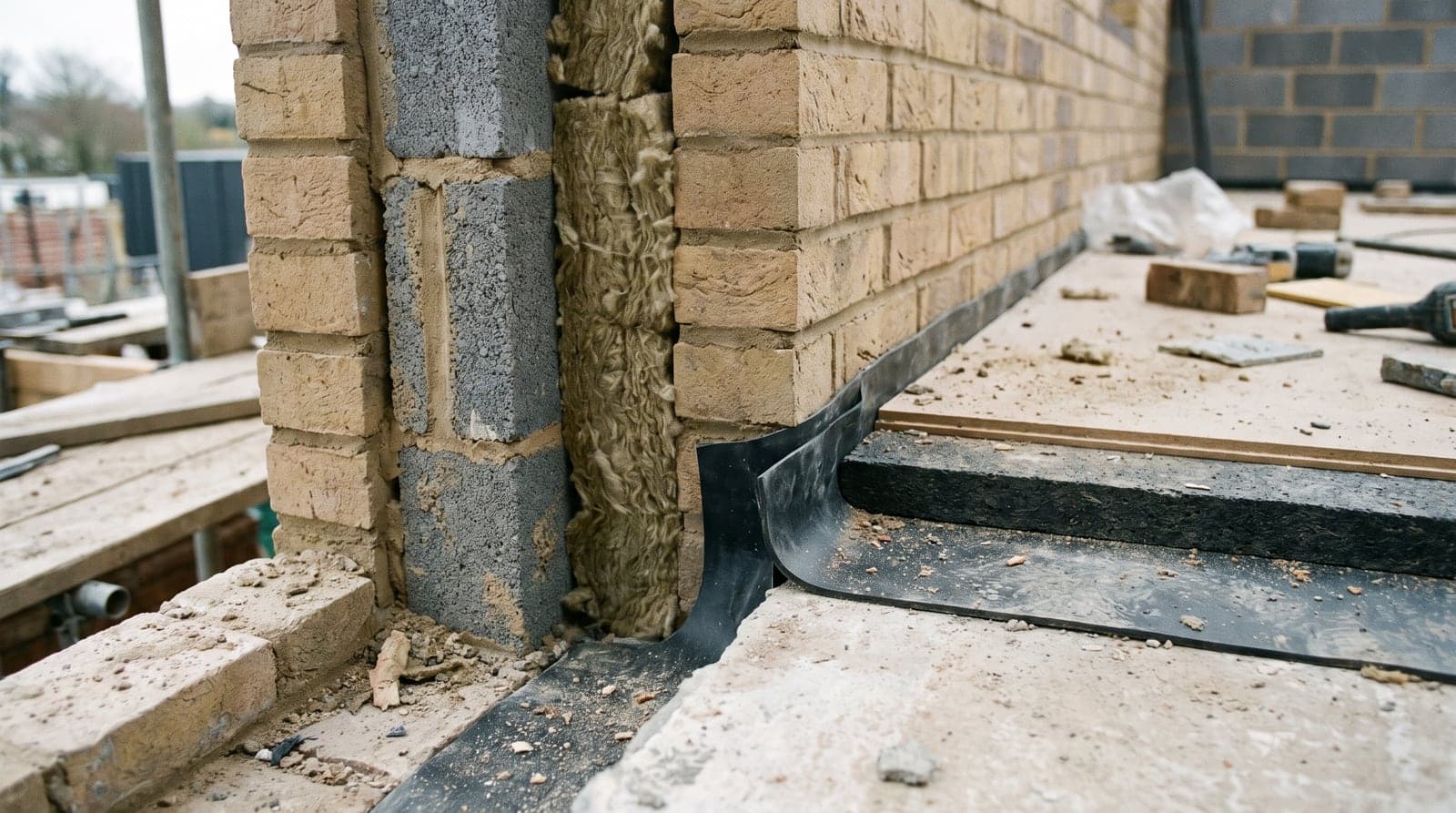
A building junction under construction, showing a twin-leaf wall and a floating floor build-up

Standards reference

MCS 020: the heat pump noise test.

Permitted development rights for a domestic air source heat pump depend on a noise calculation at the neighbour's window. Here is how it works, and when it will not save you.

MCS 020 planning standards

In one paragraph

MCS 020 is the planning standard used to demonstrate that a domestic air source heat pump meets the noise condition attached to permitted development rights. It sets out a calculation of the sound pressure level from the unit at the assessment position, which is a habitable-room window or door of the nearest neighbouring property, against a limit of 42 dB.

Why it exists

Installing an air source heat pump on a house is usually permitted development rather than a full planning application, but that right is conditional. One of the conditions is noise, and MCS 020 is the method by which compliance is shown. Get it right and the installation proceeds without a planning application. Get it wrong, or ignore it, and the installation is unlawful and the local authority can act.

With the heat pump rollout accelerating, this has quietly become one of the most common acoustic questions in domestic construction, and one of the least well served. Very few consultancies explain it at all.
How the calculation works

  • Start from the sound power level of the specific unit, taken from the MCS listed data for that model
  • Establish the assessment position: a habitable room window or door of the nearest neighbouring property
  • Account for distance from the unit to that position
  • Apply the relevant correction for the installation location, reflecting how the unit is mounted and what surfaces are nearby
  • Compare the resulting sound pressure level against the 42 dB limit

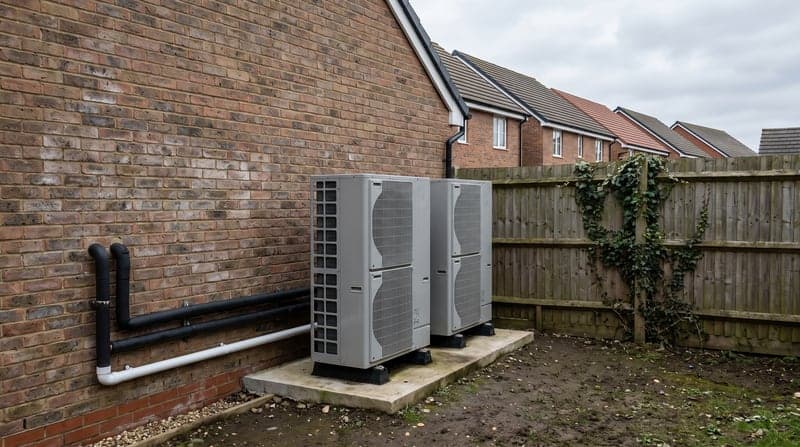
The installation corrections are where most failures originate. A unit in a corner formed by two walls is acoustically very different from one standing clear on an open elevation, and the same model can pass in one position and fail in another on the same house. Moving the unit a couple of metres is very often cheaper than any other mitigation, which is why this is worth checking before installation rather than after.

When MCS 020 is not enough

  • The installation is not domestic, or not on a dwelling
  • The site is in a conservation area or the property is listed, where permitted development rights are restricted
  • Multiple units are proposed, or the scheme is a commercial or multi-dwelling installation
  • A full planning application is being made anyway, in which case the council will normally expect BS 4142
  • The council has received a complaint, or has asked for an assessment against background sound level

In every one of these cases the assessment that carries weight is BS 4142, comparing the rating level against the measured background rather than against a fixed 42 dB figure. Where a scheme is marginal, we will often run both, because a unit that passes MCS 020 can still cause a genuine problem on a very quiet rural plot where the night-time background sits in the twenties.

What we provide

  • An MCS 020 calculation for the specific unit and the actual proposed position, with the installation corrections justified
  • Advice on siting before installation, where moving the unit is cheaper than mitigating it
  • A BS 4142 assessment where the scheme falls outside permitted development or the council asks for one
  • Mitigation design where the calculation fails: acoustic housings, barriers, anti-vibration mounts or a different unit
  • A report an installer, a certifier or a planning officer can rely on

Questions

MCS 020: common questions.

What is the MCS 020 noise limit for a heat pump?

42 dB, assessed as a sound pressure level at a habitable room window or door of the nearest neighbouring property, calculated from the unit's listed sound power level with corrections for distance and installation position.

Do I need a noise assessment for an air source heat pump?

For a domestic installation under permitted development you need an MCS 020 calculation demonstrating compliance. For a full planning application, a commercial installation or a multi-unit scheme, a BS 4142 assessment is normally required instead.

What if the calculation fails?

Usually the unit moves. Position affects the result more than almost anything else, and relocating away from a corner or increasing separation from the neighbouring window is the cheapest fix. Where that is not possible, acoustic housings, barriers or a quieter unit are the options, and a full planning application with a BS 4142 assessment is the fallback.

Can a heat pump pass MCS 020 and still cause a complaint?

Yes. MCS 020 tests against a fixed 42 dB figure, not against how quiet the area actually is. On a rural plot with a night-time background in the twenties, a compliant unit can still be clearly audible. Where that risk exists we would recommend a BS 4142 assessment alongside.

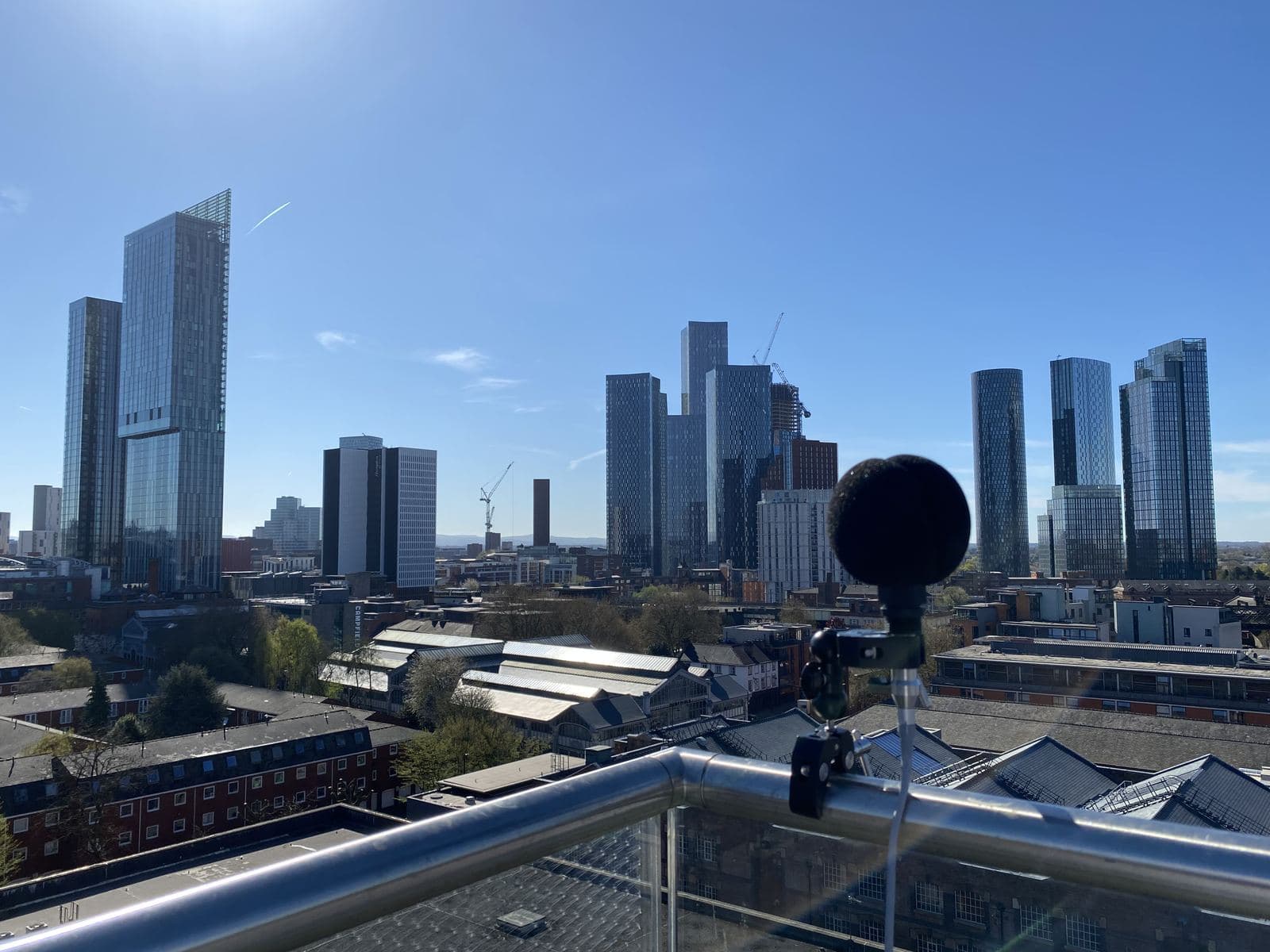
A sound level meter monitoring overnight on a Manchester rooftop

Need a MCS 020 assessment?

Send a postcode and a sentence. We're ready to price it right now.