Skip to content
Murray Acoustics
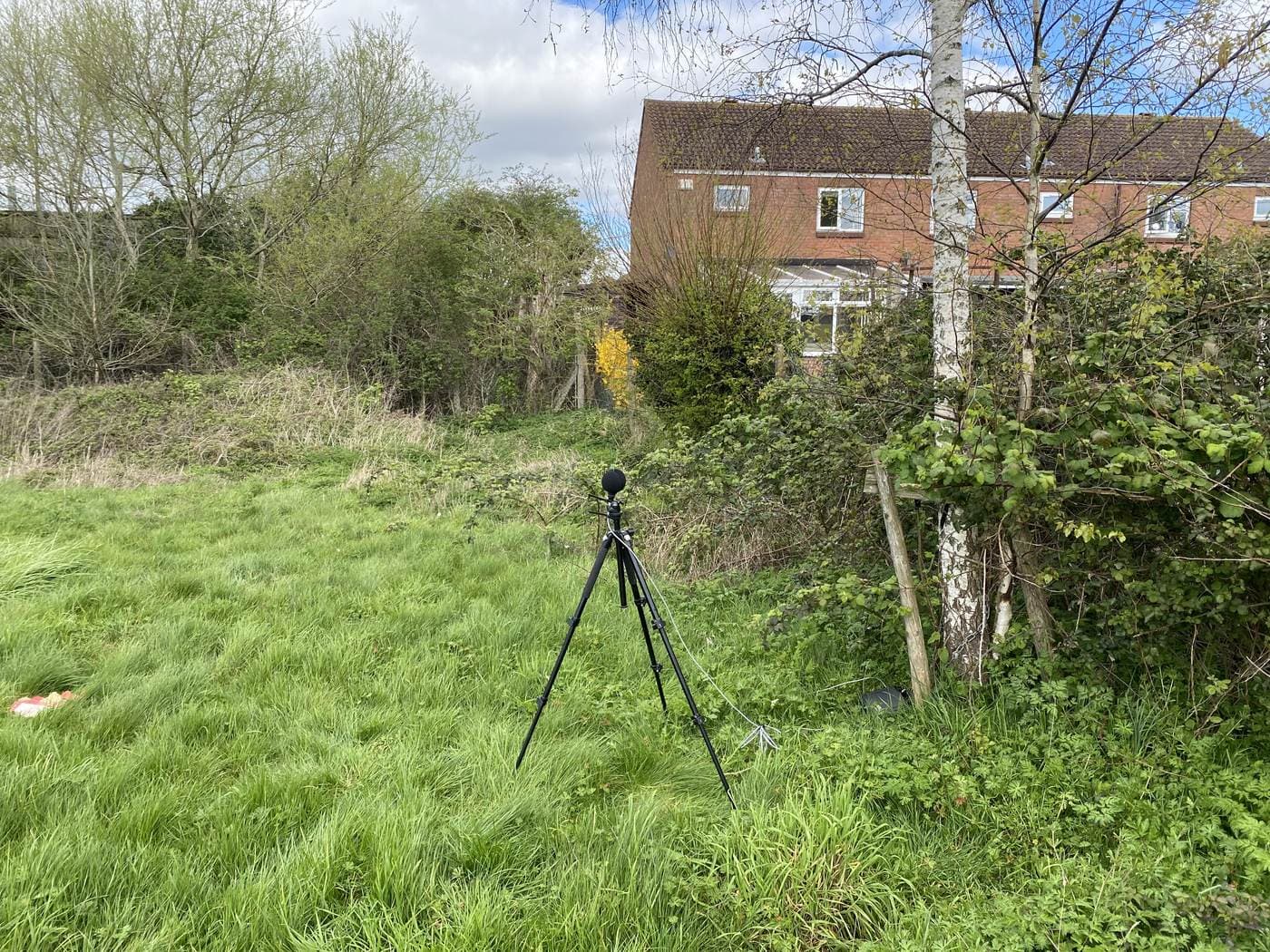
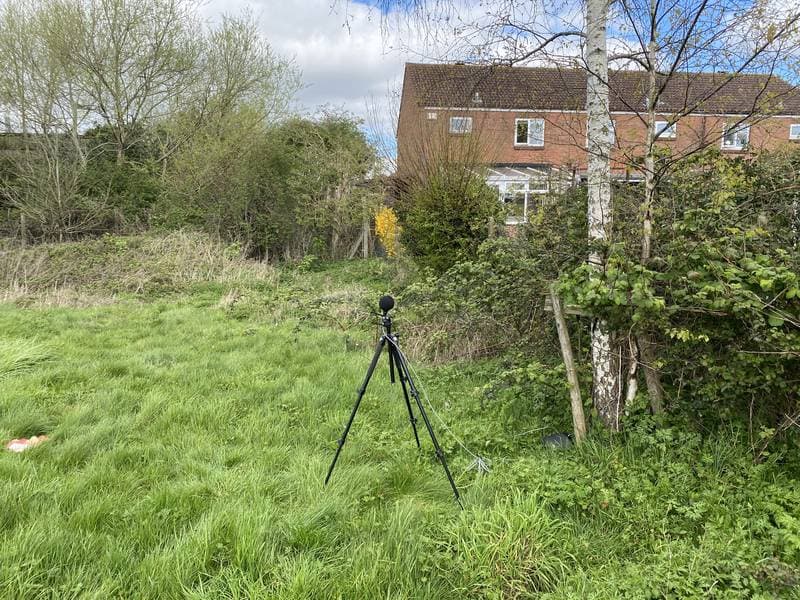
Sound level meter on a tripod during a baseline noise survey beside a residential site

Noise Impact Assessments

The noise impact assessment your planning officer expects.

BS 4142, BS 8233 and ProPG assessments that planning officers accept.

Fixed fee agreed up front · Quote back the same working day

The service

What it is, and when you need it.

A noise impact assessment weighs your development against the noise around it (or the noise it will make) and shows the council, with evidence, that the scheme works. Councils also call it a noise assessment, an acoustic report or a planning noise assessment; it's the same document. We write ours the way planning officers and EHOs read them: methodology, results, clear conclusion.

A condition or checklist item

“Noise impact assessment” on a validation checklist, or a noise condition attached to your consent.

Homes near noise

New dwellings, conversions or student accommodation near roads, railways or commercial premises: BS 8233 and ProPG territory.

Noise near homes

A noise-generating use close to existing residents (plant, hospitality, industry), assessed under BS 4142.

An EHO letter

An objection or query on a live application. We respond in the officer's language, with data.

What you get

What the fee covers.

One fee, fixed before anything starts. Everything listed here is inside it.

  • Baseline noise survey with Class 1 instrumentation, attended or unattended
  • Assessment to BS 4142, BS 8233, ProPG and NPPF, as your council expects
  • Glazing and ventilation specifications where the numbers call for them
  • A plain-English report structured the way planning officers read
  • Council liaison until the condition is discharged, covered by the Approval Guarantee
  • Fixed fee agreed up front. No day rates, no surprises.

How it runs, start to finish

Send the site postcode, a drawing if you have one, and whatever the council has said so far. We confirm the scope and a fixed fee the same day, then book the survey around your programme. Most sites need at least 24 hours of unattended logging, longer where night-time use or weekend variation matters.

The assessment follows from what the data and the policy context require: BS 8233 internal and external targets for new homes near noise, BS 4142 rating levels where your scheme is the noise source, ProPG's good-acoustic-design process for residential schemes. Where mitigation is needed we specify it in buildable terms, not vague advice: glazing specifications, ventilation strategy, plant screening, layout changes.

The report lands within five working days of the survey. If the planning officer or EHO comes back with questions, we answer them directly until the condition is discharged.
Reading the condition before pricing the work

Noise conditions vary far more than they appear to. Some require an assessment before development commences, some before occupation, and some require a scheme of mitigation to be approved and then verified after installation. The difference determines when you need us and what the deliverable is, and getting it wrong costs programme rather than fees.

The wording also tells you which standard governs. A condition naming BS 8233 is about internal conditions in new homes. One naming BS 4142 is about a commercial or industrial source affecting them. One naming both, which is increasingly common on mixed-use schemes, needs two assessments in one report, with the interaction between them explained rather than left for the officer to work out.

We read the decision notice and the officer's report before quoting, because the scope that discharges the condition is frequently narrower than the scope a consultant would propose if asked in the abstract. Paying for survey work the condition does not require is a real and avoidable cost.

What makes an officer accept a report

Planning officers are not acousticians, and the ones who deal with noise conditions read a great many assessments. What they are looking for is whether the report answers the condition, whether the method is recognisable, and whether the conclusion follows from the evidence. Reports fail on presentation at least as often as on technique.

That means the structure matters. The condition quoted at the front, the standards named, the survey period and equipment stated, the results presented against the criteria rather than in an appendix, and a conclusion that says plainly whether the scheme complies and what it depends on. Where mitigation is required, it should be specified in terms a contractor can build to and a subsequent officer can verify.

Where a scheme is marginal, saying so and setting out the options is far more effective than presenting a borderline pass as comfortable. Officers notice optimism, and a report that has overstated its case once tends to attract scrutiny on everything else in it.

When the assessment should happen

Earlier than most people commission it. The common pattern is that an assessment is instructed once a condition has been imposed, which means the scheme is already fixed and the assessment can only report on what has been designed. At that point the only mitigation available is specification: better glazing, mechanical ventilation, an attenuator.

An assessment carried out at concept stage can change the layout instead, which is both cheaper and more effective. Putting bedrooms on the sheltered elevation, orienting amenity space away from the source and using the building form as its own barrier cost nothing on a drawing and reduce what every downstream specification has to achieve.

There is also a validation argument. A growing number of authorities require the noise assessment at application rather than deferring it to a condition, and an application that arrives without one is not validated. That is weeks of programme lost for a document that could have been produced alongside the drawings.

Local policy, not just national

Local plan policy is the part applicants most often miss. National policy sets the framework, but the criteria an officer actually applies are frequently in the authority's own local plan, and those vary considerably: some set plant noise limits as a margin below background rather than the comparison BS 4142 describes, some set internal standards above the BS 8233 guideline values, and some name a specific assessment method for particular sources.

We read the relevant policy for the authority determining your application before writing anything, because an assessment argued against the wrong criteria is not a small error. It reaches the wrong conclusion by a defensible method, which is the hardest kind of report to rescue once it has been submitted and refused.

Questions

Asked often.

What is a noise impact assessment?

A report that measures the noise climate around a site, predicts how the proposed development and the noise will interact, assesses the result against the standards your council applies (BS 8233, BS 4142, ProPG, the NPPF) and sets out any mitigation. Councils use the terms noise impact assessment, noise assessment and acoustic report more or less interchangeably; it's the same document.

When do I need a noise assessment for planning?

If you're proposing a noise-sensitive development near an existing source (a road, railway or industrial premises), or a development that generates noise, such as new plant, hospitality or industry, your council is likely to ask for one. Common triggers: a BS 4142 or BS 8233 requirement in planning correspondence, NPPF paragraph 191, ProPG for new residential, or “noise impact assessment” on a validation checklist.

What is a BS 4142 assessment?

BS 4142 is the method for assessing industrial and commercial sound: plant, processes and deliveries, rated against the background sound level at nearby homes. We measure, model where needed, apply character corrections and produce a rating level with a clear conclusion: pass, fail, or a mitigation pathway.

What is a BS 8233 assessment?

BS 8233 sets internal noise targets for living rooms and bedrooms, plus external amenity spaces such as gardens and balconies. It's used alongside ProPG for new residential development, and it drives the glazing and ventilation specification for your scheme.

How much does a noise impact assessment cost?

Across the UK, most planning noise assessments, survey and report together, land between £1,450 and £2,500 +VAT; desk-based plant assessments can come in under that, and complex multi-source schemes cost more. Yours is a fixed fee agreed up front, sized to what your council actually asked for. Send a postcode and a sentence and we'll come back with the number.

How long does it take?

Most planning surveys need at least 24 hours of unattended logging. From instruction to final report is typically inside two weeks, and the report itself lands within five working days of the survey. Up against a validation deadline? Tell us. Rush delivery is available.

Can you discharge a noise condition on an existing consent?

Yes. That's a large part of what we do. Send the decision notice and the condition wording. We'll confirm exactly what the council needs to see, survey if required, and submit a report written to discharge that specific condition.

Will the council accept the report?

That's the job. Reports are structured the way planning officers and EHOs read them, against the standards their own policies cite. If an officer raises a query, we answer it directly, at no extra cost, until the application or condition is resolved. That's the Approval Guarantee.

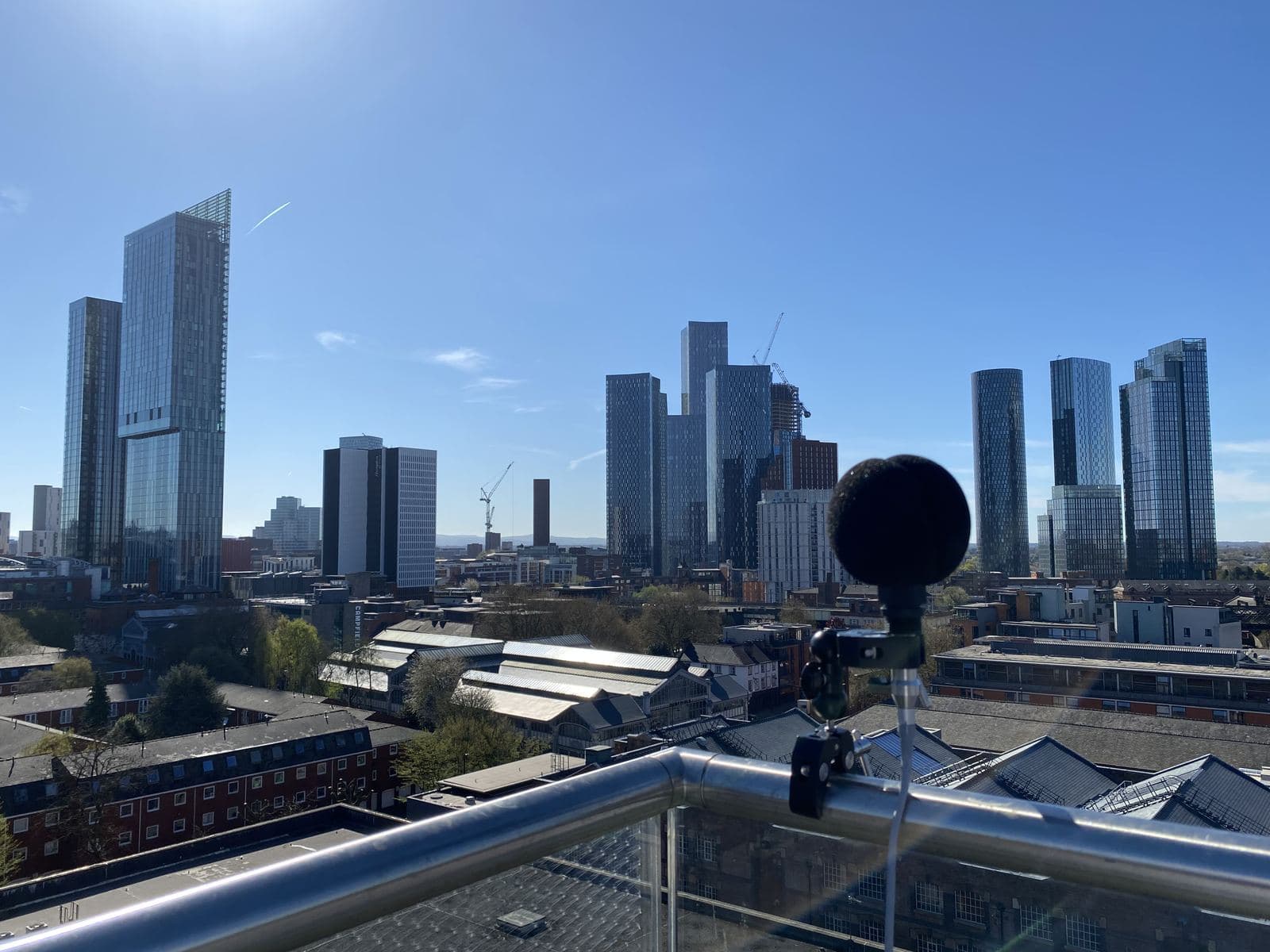
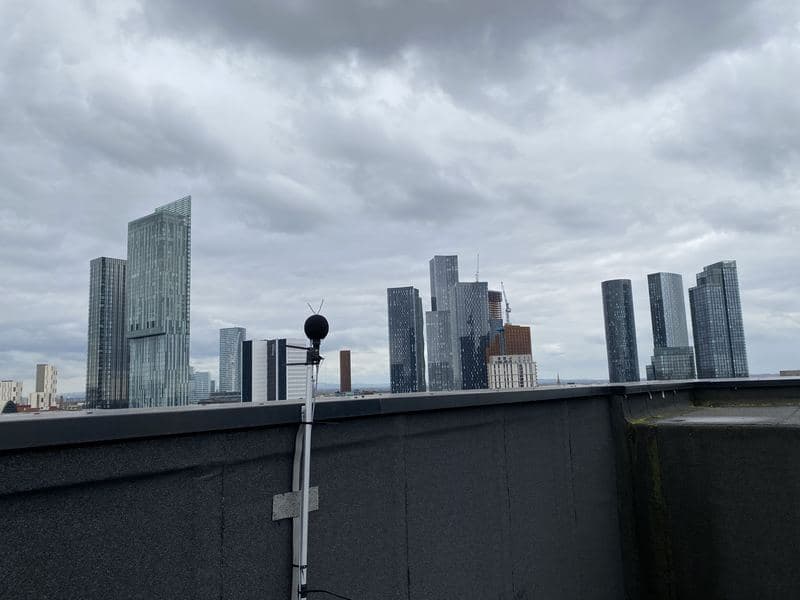
A sound level meter monitoring overnight on a Manchester rooftop

Send a postcode and a sentence.

That is genuinely enough to price most jobs. You will have a fixed quote back the same working day.