Skip to content
Murray Acoustics
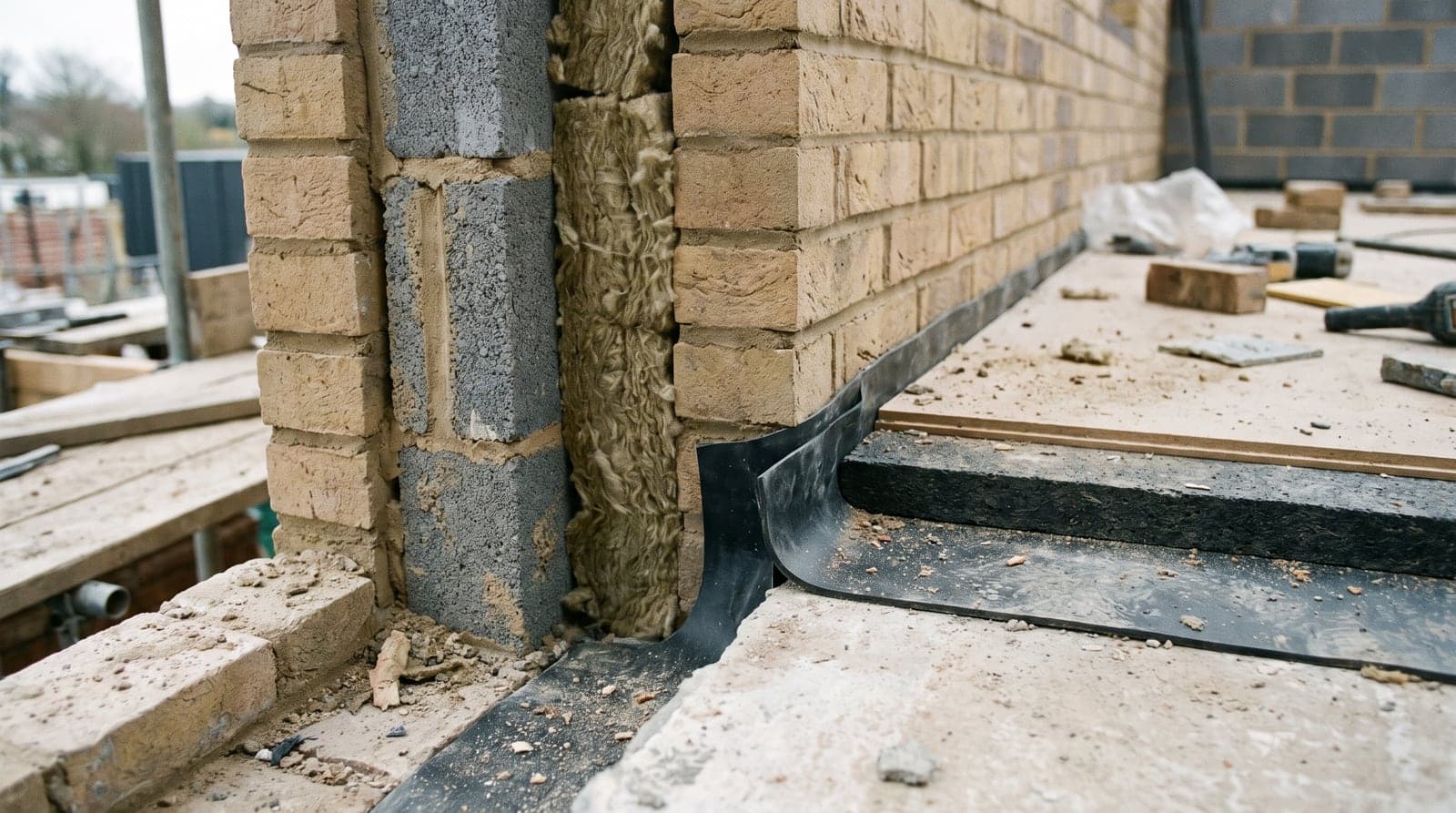
A building junction under construction, showing a twin-leaf wall and a floating floor build-up

Standards reference

ProPG: Planning & Noise.

The two-stage framework for new housing affected by transport noise, and the document a planning officer is most likely to be working from.

ProPG: Planning & Noise (2017)

In one paragraph

ProPG: Planning & Noise is professional practice guidance for new residential development affected by noise from transport sources. It sets out a two-stage approach: an initial noise risk assessment of the site, followed, where the risk is anything above negligible, by a full assessment structured around four elements. It does not replace BS 8233 or the NPPF; it organises how they are applied.

Stage 1: initial site noise risk assessment

The first stage places the site in a risk band from negligible through low and medium to high, based on the external noise levels affecting it. The band determines how much work follows. A negligible-risk site can proceed without further acoustic input. A high-risk site should be avoided or will need a substantial and demonstrable design response, and the guidance is clear that development on such sites should normally be discouraged.

The practical value of doing this properly and early is that it is cheap, and it tells you before you commit whether the scheme has an acoustic problem that will shape its layout, its facades and its ventilation strategy.
Stage 2: the four elements

  • Element 1: demonstrate good acoustic design, showing that the layout, orientation and form of the scheme respond to the noise environment rather than relying only on glazing
  • Element 2: assess internal noise levels, against BS 8233 targets and a maximum level criterion for bedrooms at night
  • Element 3: assess external amenity areas, recognising where a compromise is unavoidable
  • Element 4: consider other relevant issues, including local policy, the planning balance and any compensating benefits of the scheme

Element 1 is the one that distinguishes a real assessment from a spreadsheet. Good acoustic design means putting bedrooms on the quiet elevation, using the building form to shelter amenity space, arranging single-aspect units away from the noisiest facade and designing the ventilation strategy alongside the acoustic one rather than after it. An assessment that skips straight to glazing specifications has not done Element 1, and an experienced officer will notice.

How it interacts with the NPPF

National planning policy requires that significant adverse impacts on health and quality of life are avoided, and that other adverse impacts are mitigated and minimised. ProPG provides the structure by which an applicant demonstrates that, and gives the officer a recognisable framework to assess it against. Where a scheme is finely balanced, an assessment organised the way the officer expects to read it is worth a surprising amount.

Questions

ProPG: common questions.

When does ProPG apply?

To new residential development affected by noise from transport sources: road, rail and air. For industrial or commercial sources affecting the same site, BS 4142 is the relevant method instead, and many schemes need both.

Is ProPG mandatory?

It is guidance rather than policy, but it is widely used by local authorities and is often named directly in validation checklists and pre-application advice. Following its structure makes an assessment easier for an officer to accept.

What is a high noise risk site?

One where external noise levels are high enough that ProPG indicates development should normally be discouraged. Such schemes are not automatically refused, but they need a demonstrable and substantial design response, not just better glazing.

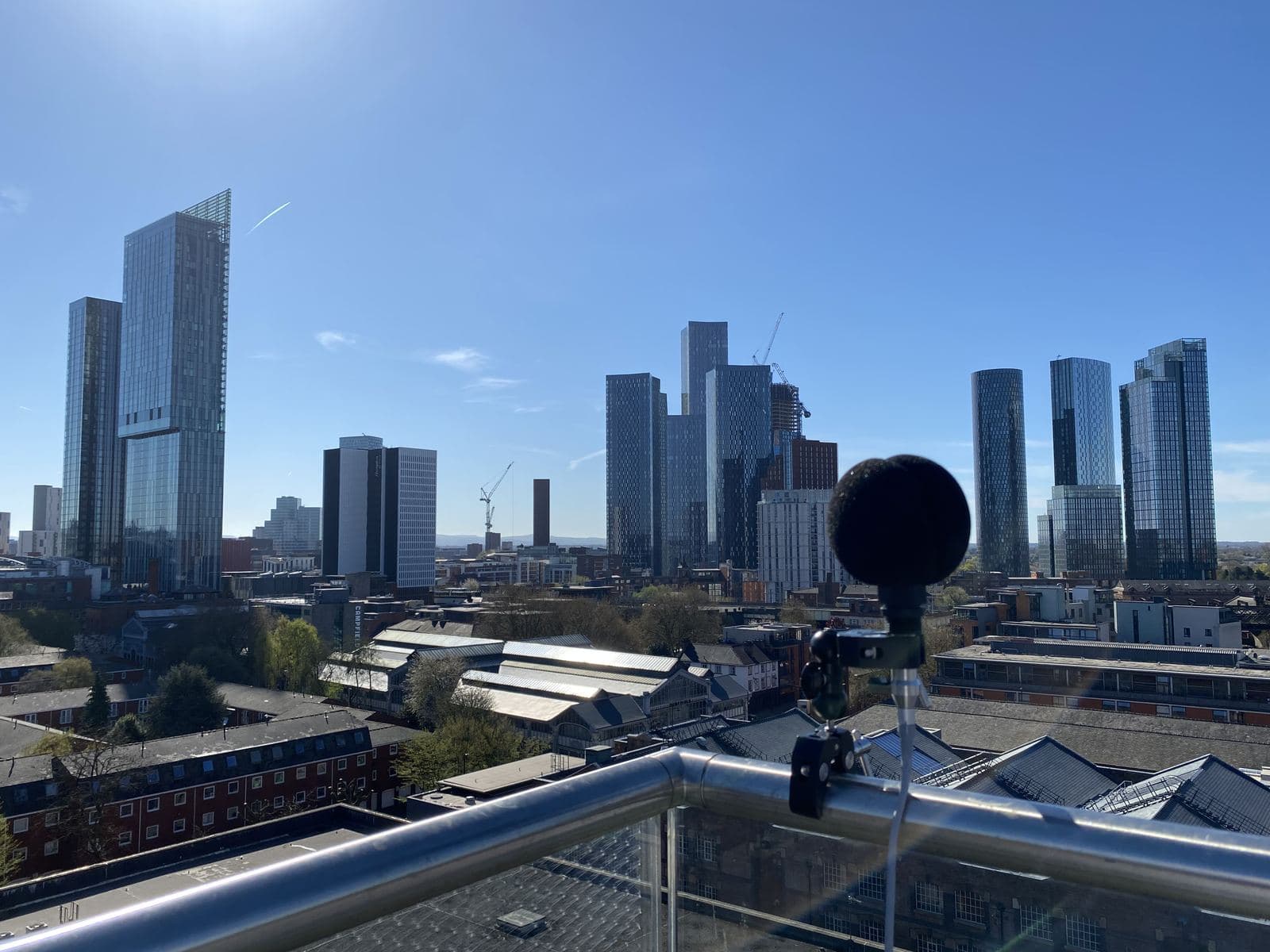
A sound level meter monitoring overnight on a Manchester rooftop

Need a ProPG assessment?

Send a postcode and a sentence. We're ready to price it right now.