Skip to content
Murray Acoustics
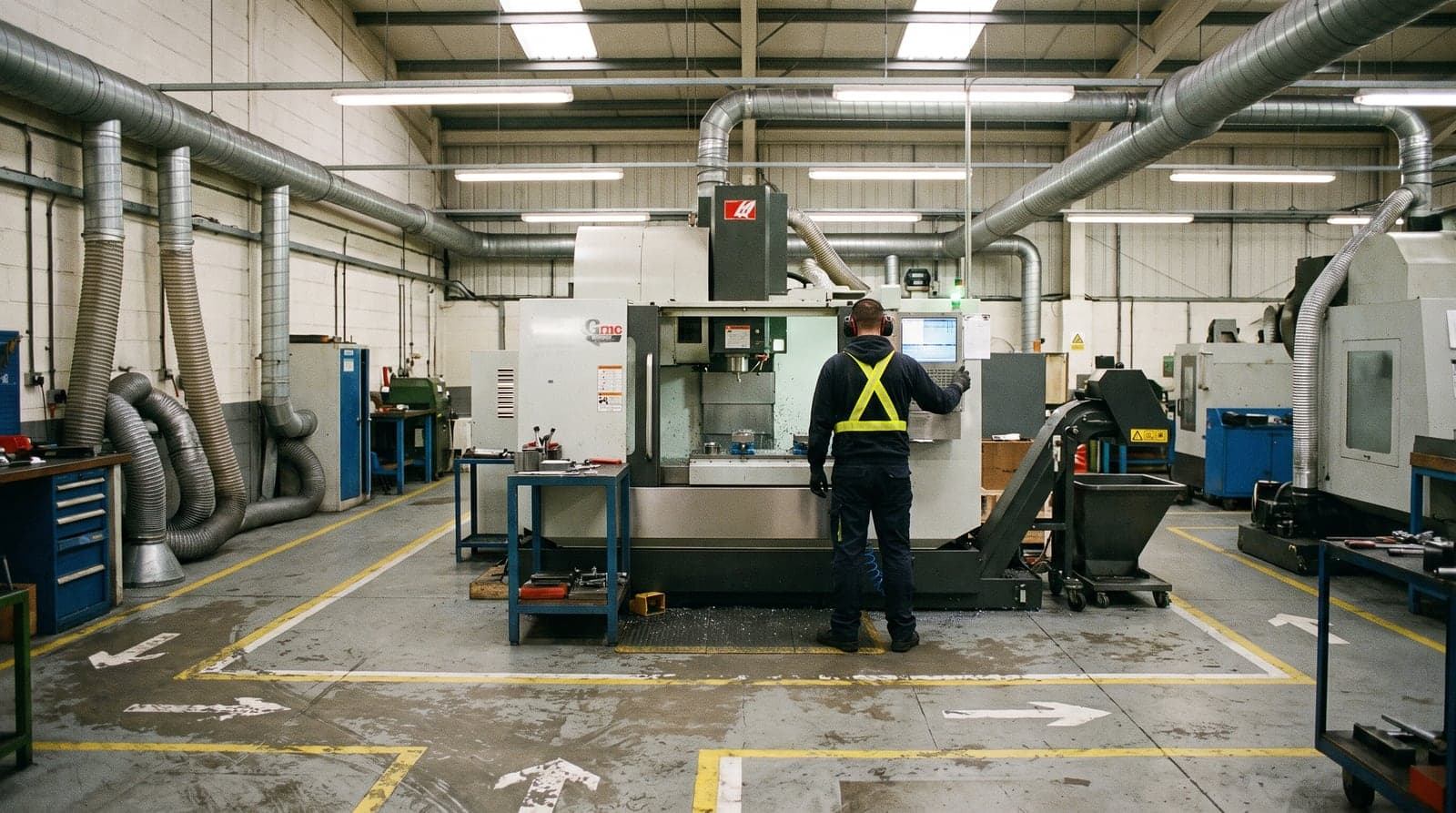
A light-industrial factory floor with machinery and an operator wearing ear defenders

Noise at Work

Noise at work: hearing protected, duties met.

HSE-compliant workplace assessments under the 2005 Regulations.

Fixed fee agreed up front · Quote back the same working day

The service

What it is, and when you need it.

Noise-induced hearing loss is permanent, and preventable. The Control of Noise at Work Regulations 2005 set exposure action values at 80 and 85 dB(A) and a limit of 87 dB(A). A proper assessment tells you where you stand, and exactly what to do about it.

Loud processes

Manufacturing, joinery, food production, print and venues: anywhere conversation needs raised voices.

An HSE notice or insurer

An improvement notice, an inspector's question or an insurer asking for your workplace noise assessment: all need a documented answer.

New machinery

A process or layout change that shifts exposure for a job role means the old assessment no longer stands.

Health surveillance flags

Audiometry results, employee complaints or a hearing loss claim worth taking seriously.

What you get

What the fee covers.

One fee, fixed before anything starts. Everything listed here is inside it.

Written to

  • Control of Noise at Work Regulations 2005
  • HSE L108
  • BS EN ISO 9612:2009
  • Workplace measurements by a qualified consultant, role by role and area by area
  • Daily personal noise exposure (LEP,d) calculated for each job role
  • Hearing protection zones identified and control measures recommended, engineering first
  • An HSE-compliant report that slots into your safety management system
  • Scheduling around your operations, including night shifts
  • Fixed fee agreed up front. No day rates, no surprises.

In detail

How it runs, start to finish

Start with a call about what you run, how many people work in the noisy areas and what shifts look like. We confirm a fixed fee and book the visit around production, including nights, because an assessment measured on a quiet day is worthless. On site we walk the process with your supervisor, map job roles against noise sources, then measure: fixed-position measurements for static roles, personal dosimetry where people move between areas.

The calculations turn measurements into a daily personal noise exposure (LEP,d) for each job role, compared against the 80 and 85 dB(A) exposure action values and the 87 dB(A) limit, plus peak sound pressure where impact noise is present. That role-by-role picture is what the Regulations actually require, and it's what an HSE inspector will ask to see.

The report lands within five working days of the visit: exposures by role, hearing protection zones marked on a plan, and control measures ranked engineering-first (quieter plant, screening, maintenance) before PPE. We also check that the protectors you already issue give sensible attenuation, not too little and not too much. Where the upper action value is exceeded, we say plainly that health surveillance is required.
Questions

Asked often.

What are the noise at work action levels?

The Regulations set a lower exposure action value of 80 dB(A) and an upper exposure action value of 85 dB(A), both as daily or weekly personal noise exposure, plus an exposure limit value of 87 dB(A) that takes hearing protection into account. Matching peak sound pressure values of 135, 137 and 140 dB(C) cover impact noise. At 80 you must provide information, training and hearing protection on request; at 85 protection becomes mandatory, zones must be marked and health surveillance provided; 87 must never be exceeded at the ear.

Do I need a noise at work assessment?

If people have to raise their voices to hold a conversation two metres apart for parts of the day, you're probably around the 80 dB(A) lower action value. If they have to shout, you're likely at or above 85. Typical candidates: manufacturing, joinery, food and drink production, print, construction trades, and music venues. If in doubt, the assessment is cheaper than the claim.

Do I need hearing protection zones?

Yes, wherever exposure is likely to reach the upper action value of 85 dB(A). The zone must be marked with signs, entry controlled, and hearing protection worn by everyone who goes in. Our report identifies the zones on a plan so you can implement them without guesswork.

How much does a noise at work assessment cost?

Every assessment is a fixed fee agreed up front, so we don't publish a price list. Tell us what you run, roughly how big the site is and how many job roles are involved, and we'll come straight back with a figure. No day rates, no surprises.

How long does a noise at work assessment take?

Many workplaces can be measured in a single visit, scheduled around your production, including night shifts. Larger sites or multiple shift patterns may need longer. Either way, the report lands within five working days of the survey.

How often should a noise assessment be reviewed?

The Regulations don't set a fixed interval. You must review the assessment when it may no longer be valid: new machinery, changed processes or layout, altered shift patterns, or health surveillance results that suggest something's wrong. Many businesses review every couple of years as a matter of good practice.

Do I need a noise risk assessment or a noise survey?

They're two halves of the same duty. The survey is the measurement: noise levels across your workplace and workers' daily exposure. The risk assessment is what the Regulations actually require: the measured exposures compared against the action values, with the controls, hearing protection and health surveillance that follow. We deliver both in one report.

What's the difference between dB(A) and dB(C)?

dB(A) weights sound the way the ear hears ordinary levels and is used for the daily exposure values. dB(C) responds to the low-frequency energy in very loud, short events and is used for the peak limits of 135, 137 and 140 dB(C), and for selecting hearing protection against impulsive noise like impact tools or presses.

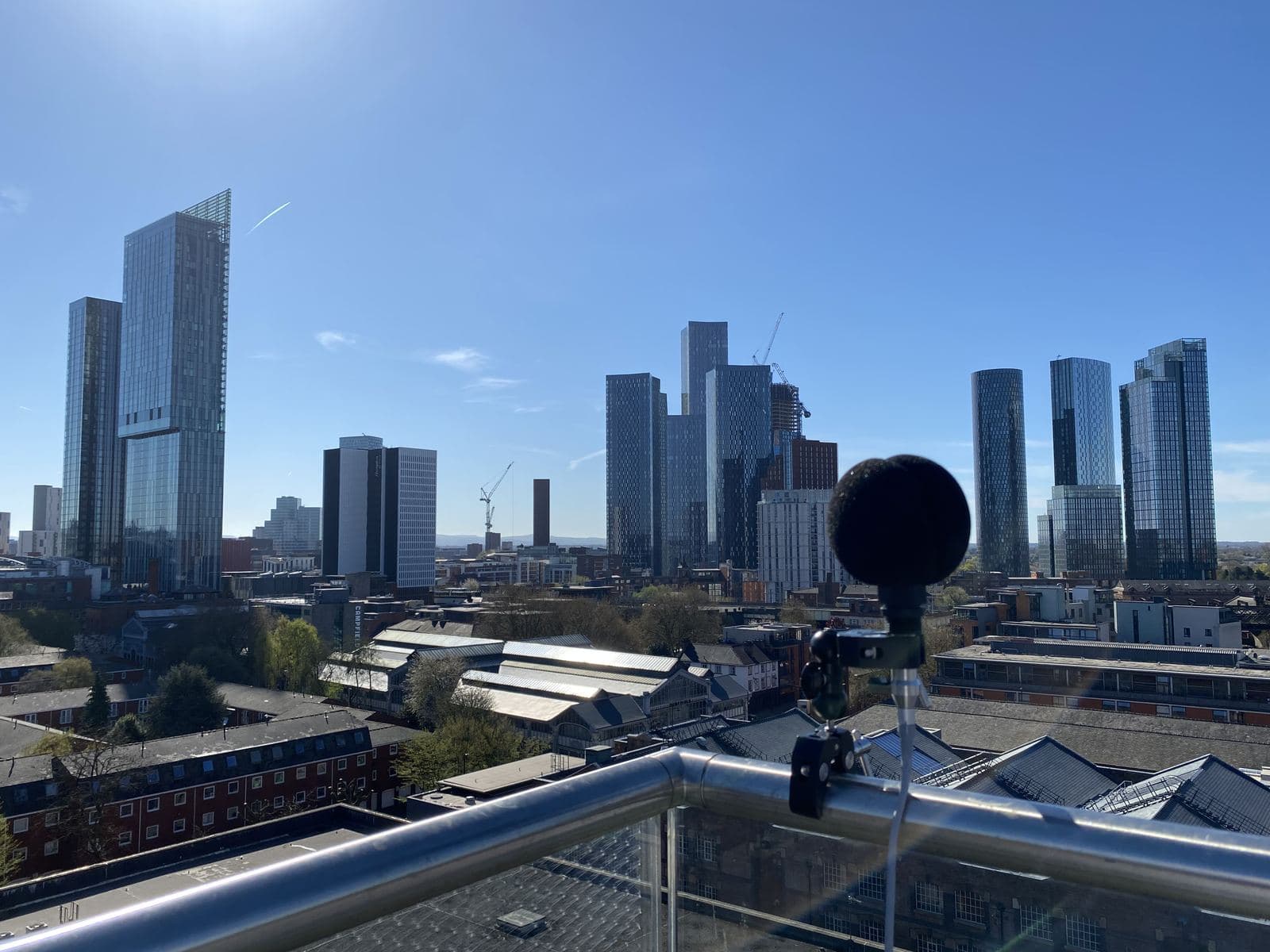
A sound level meter monitoring overnight on a Manchester rooftop

Send a postcode and a sentence.

That is genuinely enough to price most jobs. You will have a fixed quote back the same working day.