Skip to content
Murray Acoustics
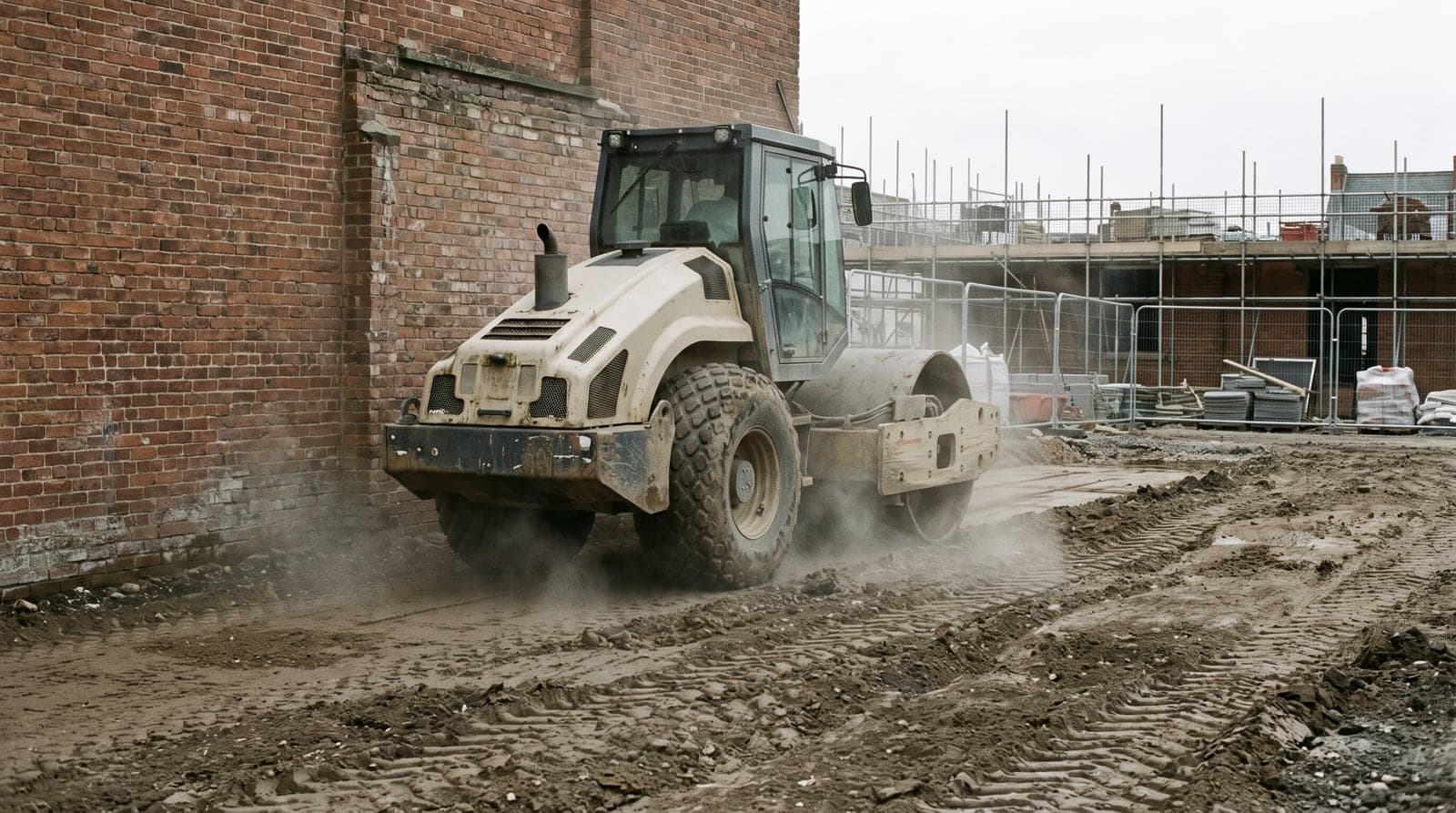
A vibrating roller compacting ground close to the flank wall of an existing building

Vibration Surveys

Vibration, measured properly.

Human response to BS 6472, structural damage risk to BS 7385.

Fixed fee agreed up front · Quote back the same working day

The service

What it is, and when you need it.

Vibration from rail, road, construction or industry is either a comfort problem or a damage risk, and the two are assessed differently. BS 6472 for human response, BS 7385 for structures. We measure it, assess it against the right criteria, and say plainly what it means.

Development near rail

Homes proposed near railways, trams or underground infrastructure, where the council wants vibration assessed before consent.

Piling and demolition

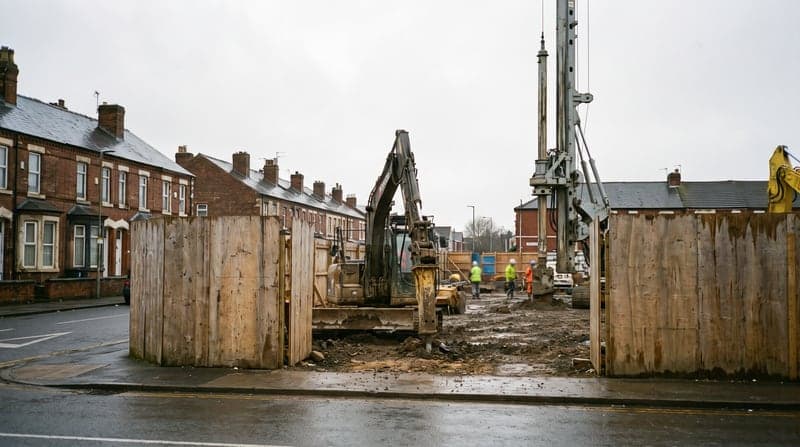
Heavy works near existing buildings, including listed structures, where damage risk needs monitoring and managing.

Occupant complaints

Residents or staff reporting perceptible vibration. We find the source and put a number on it.

Sensitive equipment

Laboratories, imaging suites and precision manufacturing, where even low levels matter.

What you get

What the fee covers.

One fee, fixed before anything starts. Everything listed here is inside it.

Written to

  • Vibration monitoring, short-term or long-term, at source or receptor
  • Vibration dose values (VDV) assessed against BS 6472-1
  • Peak particle velocities assessed against BS 7385-2 damage criteria
  • Mitigation specified in buildable terms where levels need bringing down
  • A report written for planning officers, EHOs and structural engineers alike
  • Fixed fee agreed up front. No day rates, no surprises.

In detail

How it runs, start to finish

Tell us what's moving, or what will be. Homes proposed near a railway, piling planned near an existing façade, a complaint about a process next door. We confirm which standard applies, what monitoring it needs and a fixed fee, usually the same day. Measurement uses tri-axial transducers fixed at the receptor or on the structure itself; duration runs from a short attended visit for a complaint investigation to several days where rail timetables or shift patterns vary.

The assessment depends on the question. For people, BS 6472-1 vibration dose values, calculated separately for day and night against the standard's probability-of-adverse-comment ranges. For buildings, BS 7385-2 peak particle velocity against frequency-dependent guide values for cosmetic damage. For construction sources, BS 5228-2 ties the two together with practical controls. Where mitigation is needed we specify it in buildable terms: standoff distances, alternative piling methods, isolation bearings, resilient floors.

The report lands within five working days of the survey, written so a planning officer, an EHO and a structural engineer can each take what they need from it. For construction monitoring we set trigger levels before works start and alert the site team the moment they're approached: evidence that protects you whichever way the numbers fall.
Questions

Asked often.

What vibration levels damage buildings?

Higher than most people expect. BS 7385-2 puts the threshold for cosmetic damage (hairline plaster cracks, not structural harm) at a peak particle velocity of around 15 mm/s for residential buildings at low frequencies, rising to 50 mm/s at higher frequencies, and 50 mm/s for sturdier industrial buildings. For comparison, people can feel vibration from around 0.3 mm/s. Vibration that feels alarming is usually well below any damage threshold. Measurement settles it either way.

Can construction vibration damage my house?

Rarely, but it's the right question to ask before piling or demolition starts next door. Perception begins around 0.3 mm/s; cosmetic damage typically needs around fifty times that. Monitoring during the works records the actual levels at your property, which protects both sides: the contractor gets evidence of compliance, and you get evidence if levels were exceeded.

What is a vibration dose value (VDV)?

BS 6472-1's measure of human exposure to vibration in buildings, accumulated over a full day or night rather than a single moment, so frequent events count for more than rare ones. The standard gives ranges for the probability of adverse comment in homes. We measure, calculate day and night VDVs, and state plainly which range you're in and what, if anything, needs to change.

Do I need a vibration assessment for planning near a railway?

Very likely, if homes are proposed close to a surface railway, tram line or tunnel. Councils routinely condition one. We measure at the site, ideally where the buildings will stand, assess against BS 6472-1, and where levels warrant it, specify isolation in buildable terms so the condition can be discharged.

How much does a vibration survey cost?

Every project is a fixed fee agreed up front, so we don't publish a price list. Send a postcode and a brief description of what's moving (or what's proposed) and we'll come straight back with a figure. No day rates, no surprises.

How long does a vibration survey take?

It depends on the source. A complaint investigation can sometimes be resolved in a single attended visit; rail sites need long enough to capture the full service pattern, typically at least 24 hours. Either way, the report lands within five working days of the survey.

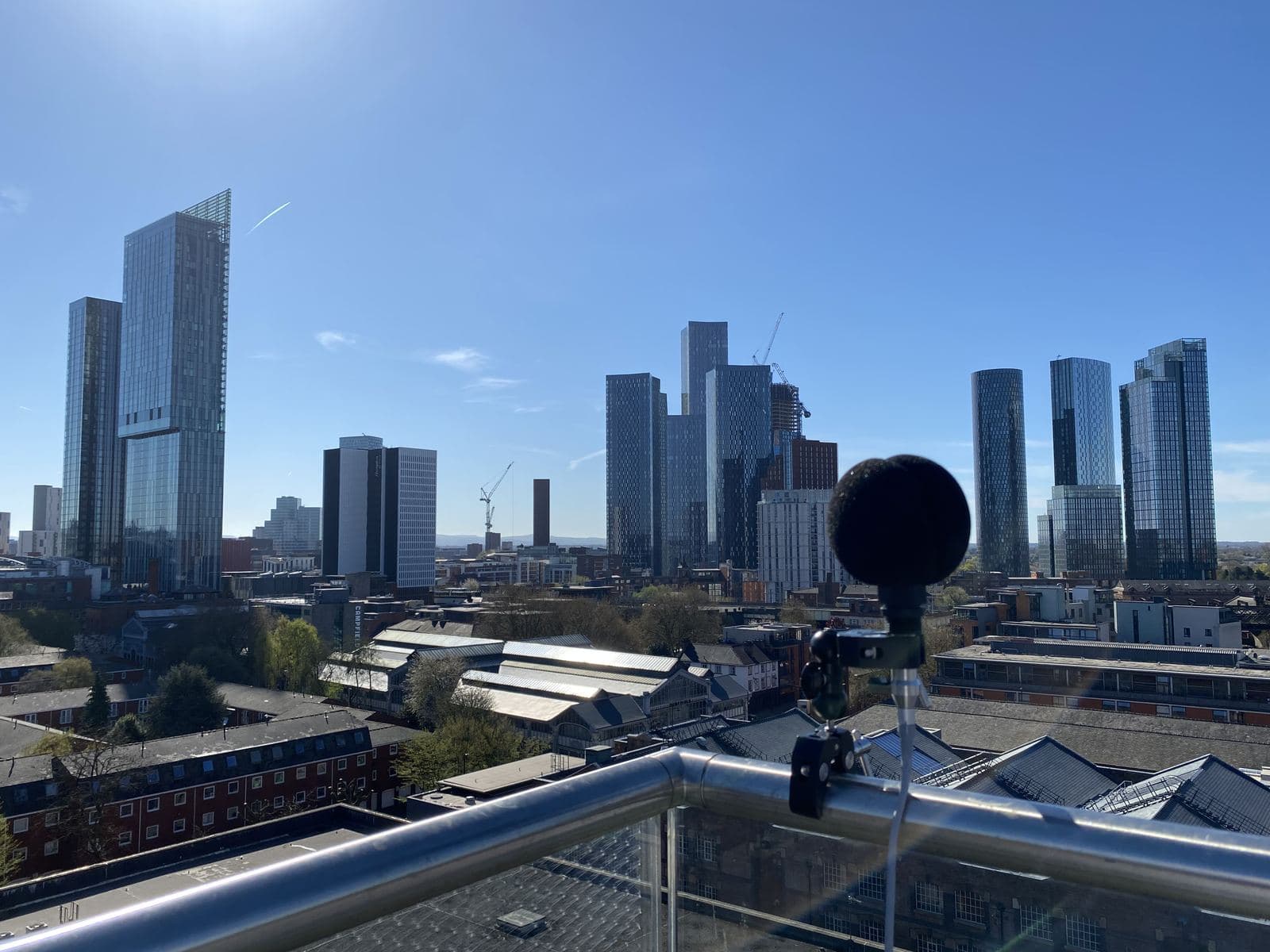
A sound level meter monitoring overnight on a Manchester rooftop

Send a postcode and a sentence.

That is genuinely enough to price most jobs. You will have a fixed quote back the same working day.