Skip to content
Murray Acoustics
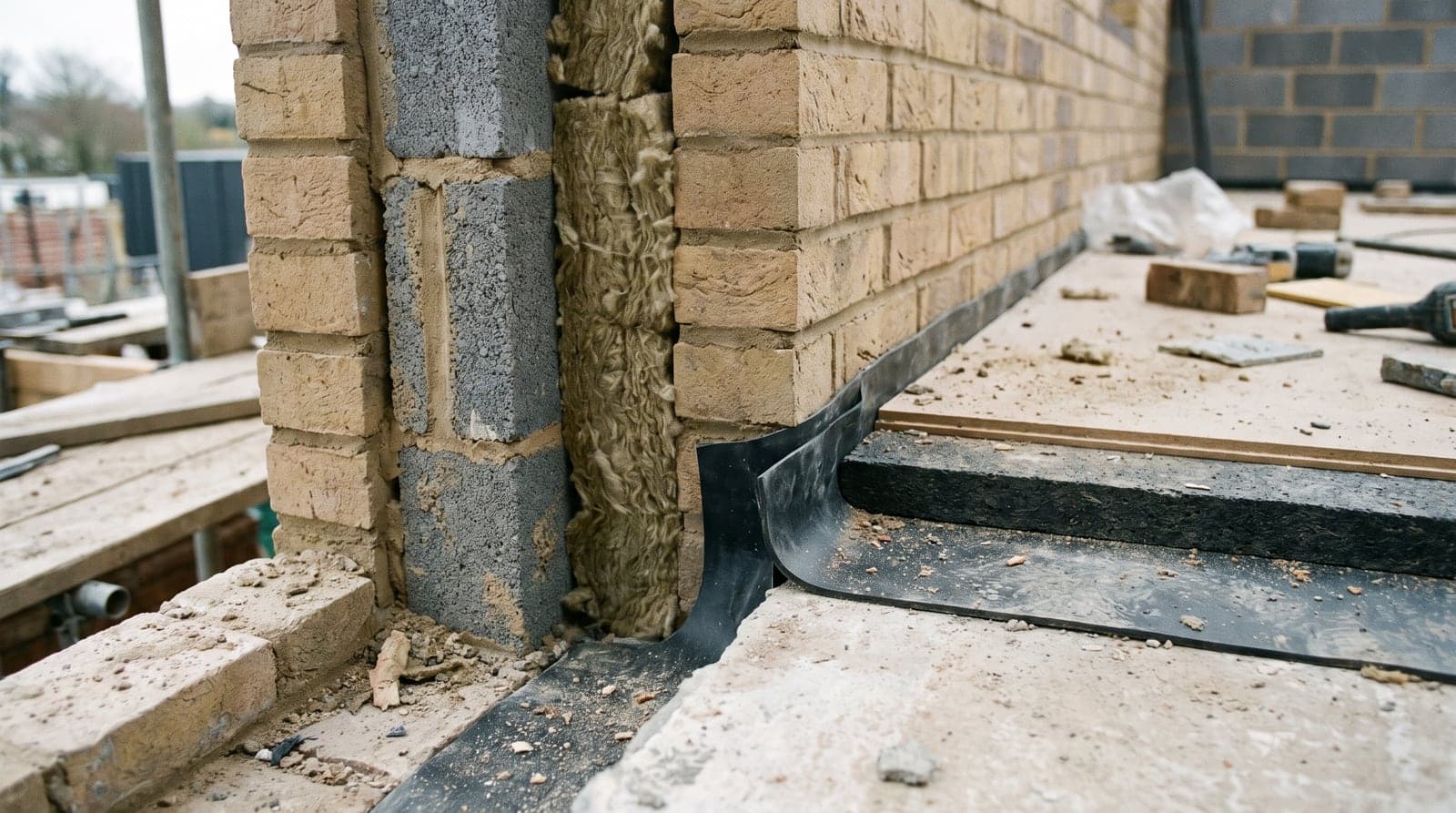
A building junction under construction, showing a twin-leaf wall and a floating floor build-up

Standards reference

BS 5228 and construction noise.

How construction noise and vibration are predicted and controlled, what a Section 61 consent buys you, and what a council expects to see before work starts.

BS 5228-1:2009+A1:2014

In one paragraph

BS 5228 is the code of practice for noise and vibration control on construction and open sites. Part 1 covers noise, Part 2 covers vibration. It supplies the source data and the prediction methods used to forecast the effect of a construction programme on neighbours, and it underpins the assessment approach councils expect in a construction environmental management plan or a Section 61 application.

What the standard provides

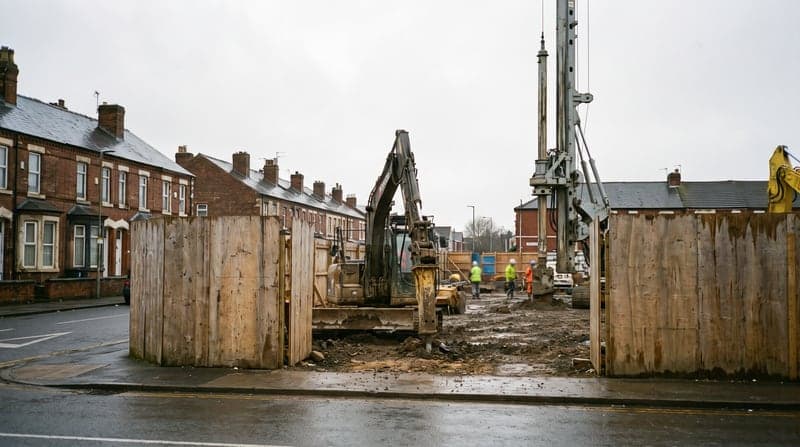
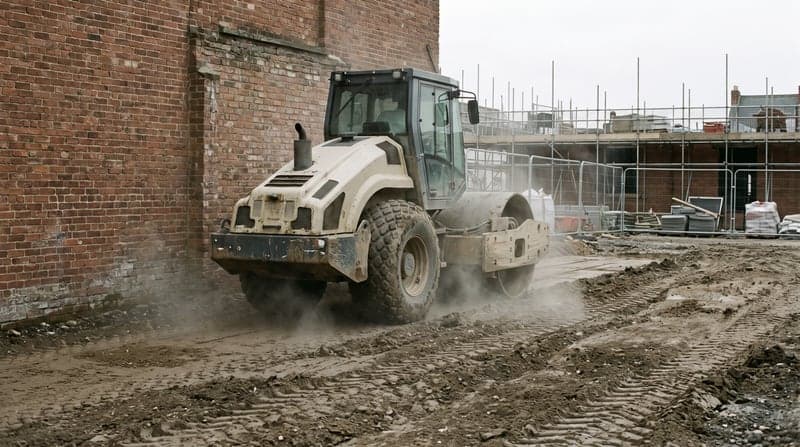
The most practically useful part of BS 5228 is its source data: measured sound power levels for a very large range of plant and activities, from piling rigs and breakers to concrete pumps and generators. Combined with on-time percentages and the geometry of the site, this allows a construction noise level to be predicted at each receptor for each phase of the works, before anyone has turned up on site.

It also sets out significance criteria. The most commonly used is the ABC method, which compares predicted levels against threshold values that depend on the existing ambient noise level in the area. A quiet residential street has a lower threshold than a site beside a dual carriageway, which is the sensible outcome.
Section 61 consents

Section 61 of the Control of Pollution Act 1974 allows a contractor to apply to the local authority for prior consent to carry out works, setting out the methods, plant, hours and control measures proposed. If the council grants consent and the works are carried out in accordance with it, the contractor has a defence against a subsequent noise abatement notice for the same works.

That protection is the reason to do it. On a programme with any significant noise risk, a Section 61 consent converts an open-ended enforcement exposure into a known set of agreed conditions. The application needs a competent prediction of levels at the affected receptors, a description of best practicable means, and a monitoring and communication plan.

Vibration

Part 2 covers vibration, which usually matters for piling, vibratory compaction, breaking out and demolition. There are two separate questions and they should not be confused. Human response to vibration in buildings is assessed against BS 6472, and cosmetic or structural damage to buildings is assessed against BS 7385. The levels at which people complain are far below the levels at which anything cracks, so a scheme can be entirely safe structurally and still generate a stream of complaints.

Where sensitive structures, listed buildings or vibration-sensitive equipment are nearby, monitoring with trigger levels and an agreed escalation procedure is usually the proportionate answer.

What we deliver

  • Construction noise and vibration predictions by phase, at each affected receptor
  • Assessment against ABC thresholds or the criteria set by the local authority
  • Section 61 applications, including best practicable means and control measures
  • Construction Environmental Management Plan noise and vibration chapters
  • Attended and unattended monitoring during the works, with trigger levels and alerts
  • Support when a complaint or an abatement notice arrives mid-programme

Questions

BS 5228: common questions.

What is a Section 61 consent?

A prior consent from the local authority under the Control of Pollution Act 1974 for construction works, agreeing methods, hours, plant and control measures in advance. Works carried out in accordance with it are protected from a noise abatement notice covering the same activity.

What noise limits apply to a construction site?

There is no single national limit. BS 5228 sets out threshold values that depend on the existing ambient level in the area, and local authorities frequently set their own conditions, commonly daytime limits at the facade with restricted hours. The applicable limits should be confirmed with the council before the programme is priced.

When is vibration monitoring needed?

Where piling, vibratory compaction, breaking out or demolition takes place near sensitive receptors, listed structures or vibration-sensitive equipment. Human comfort is assessed to BS 6472 and building damage risk to BS 7385, and the human comfort threshold is reached long before any damage threshold.

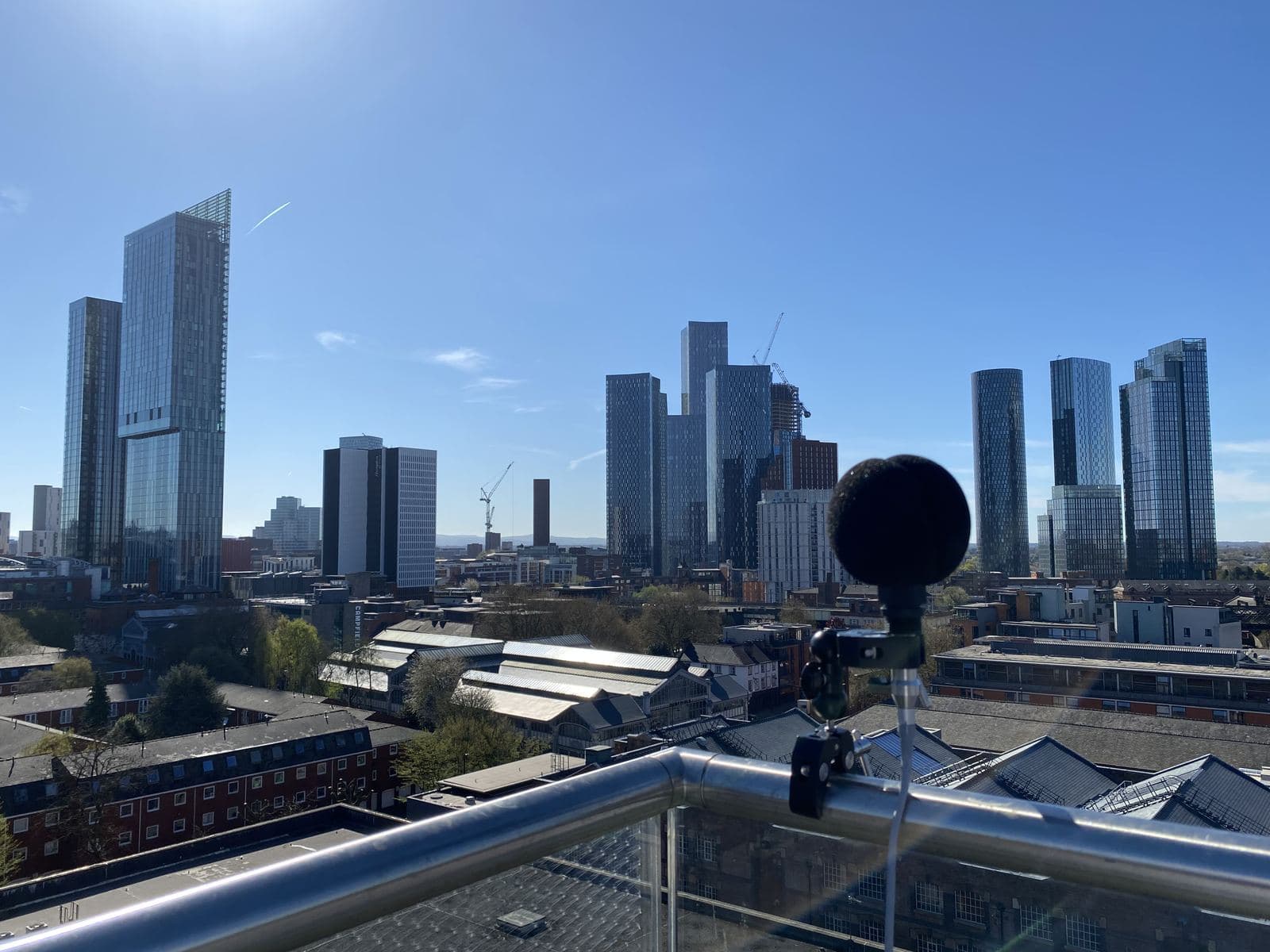
A sound level meter monitoring overnight on a Manchester rooftop

Need a BS 5228 assessment?

Send a postcode and a sentence. We're ready to price it right now.