
Residential
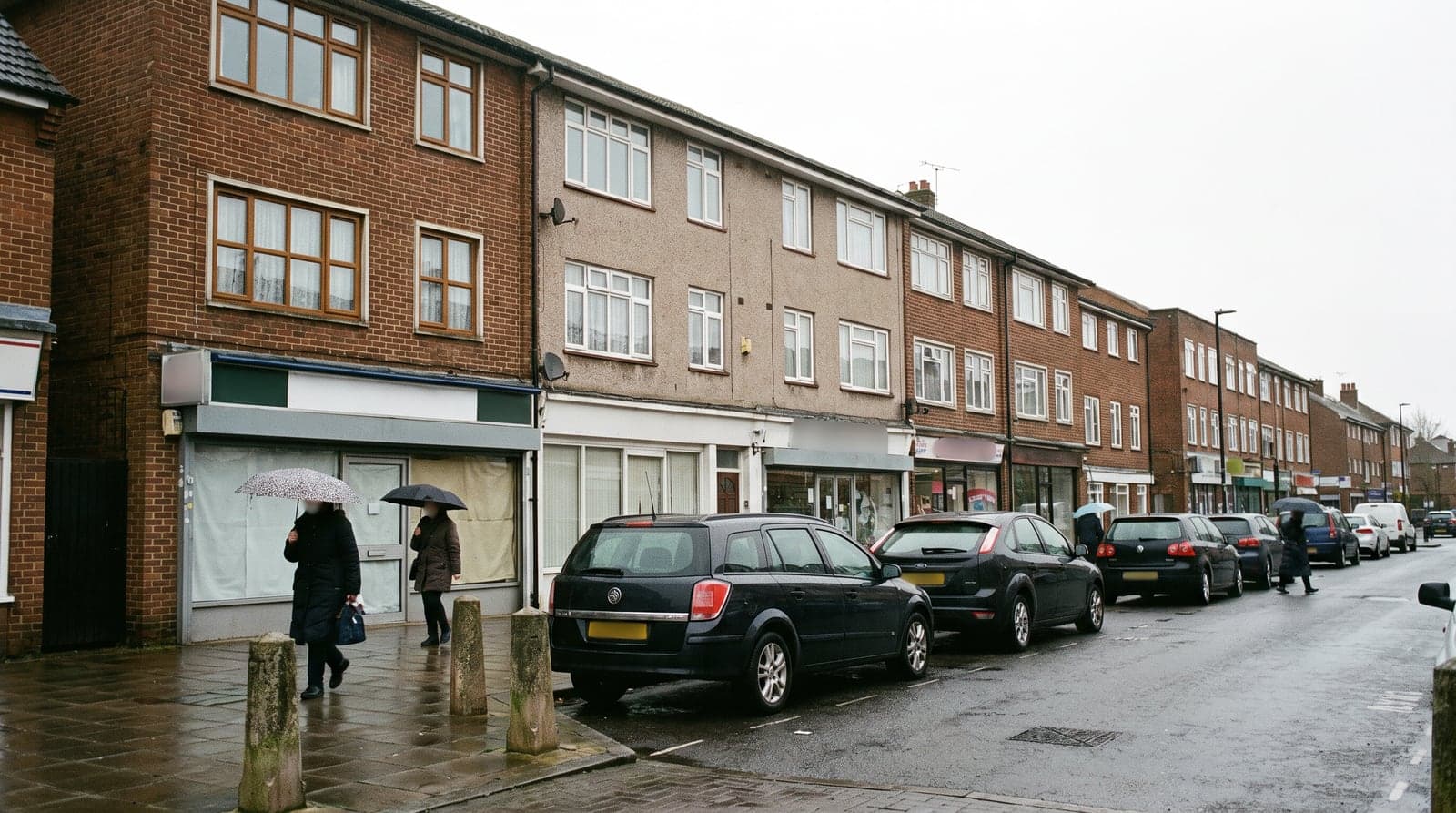
Flats above a retail unit, South East
One question, one measurement: could a working shop be heard in the flats above it?
Assessed against
- BS 8233:2014
- BS 4142:2014+A1:2019
- BS EN ISO 16283-1:2014
- ISO 1996-2:2017
- Approved Document E (2003, as amended)
The challenge
A landlord wanted to turn empty first-floor offices into flats. Because the change of use fell under permitted development, the council was not deciding the scheme as a whole. It could only consider a short, fixed list of matters. On noise, that list contains exactly one thing: whether noise from the commercial premises would affect the people who come to live there.
The commercial premises was the shop directly underneath, which would carry on trading exactly as before. Between it and the proposed bedrooms was the existing floor and nothing else. No new plant, no external alterations, nothing to redesign, because the building was already built. There was no way to answer the council's question honestly except to go and measure the floor that was already there.
What we did
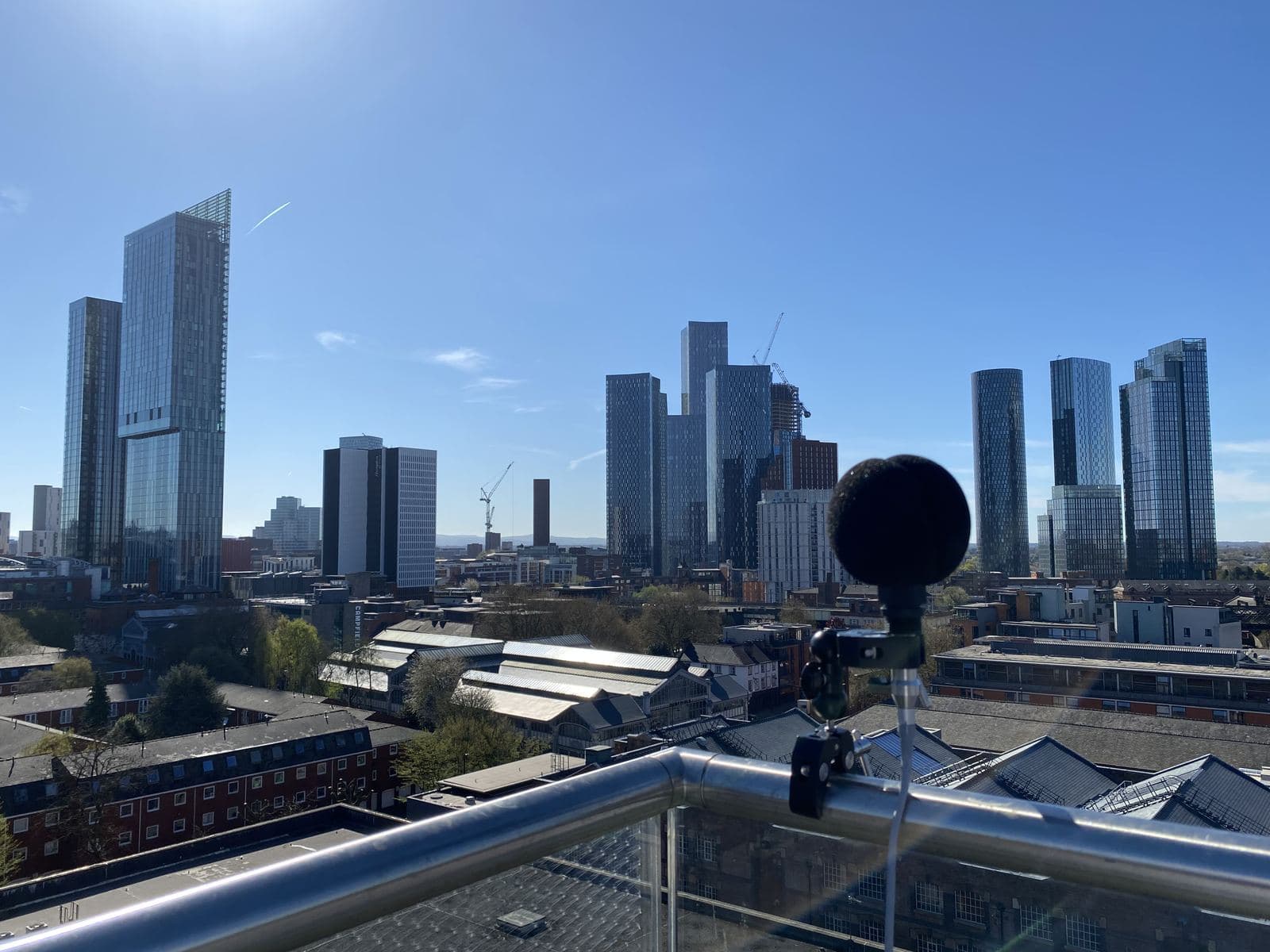
We monitored outside the building for a full twenty-four hours to establish the noise climate, which turned out to be dominated by road traffic. The shop itself was not audible from the street.
The evidence that actually decided it was a test of the separating floor, carried out in place: a loudspeaker below, measurements above, and a direct reading of how much sound the existing structure stops. That is a number about this building rather than a number from a textbook, and it comfortably exceeded the standard applied to conversions of this kind.
We then characterised the shop as a source, with tills, chiller cabinets, customers and the ordinary noise of a trading day, and carried it up through the floor we had just measured.
The outcome
What arrived in the flats sat far below the level the residential standard allows, low enough to disappear into the flats' own background. The shop also shuts before eleven, so it contributes nothing at night at all. The report concluded there would be no adverse effect on future occupiers, that no soundproofing was needed, and that prior approval should be granted on noise grounds.
The council's one question was settled with a measurement instead of an assumption, which is the difference between an assessment an environmental health officer can rely on and one they have to argue with.
We also specified glazing and ventilation for the design team's own use, and flagged clearly that this part sat outside what the council was allowed to consider. It gave the designers what they needed without widening the case the council had to decide.
A similar project on your desk?
That is genuinely enough to price most jobs. You will have a fixed quote back the same working day.