
Residential
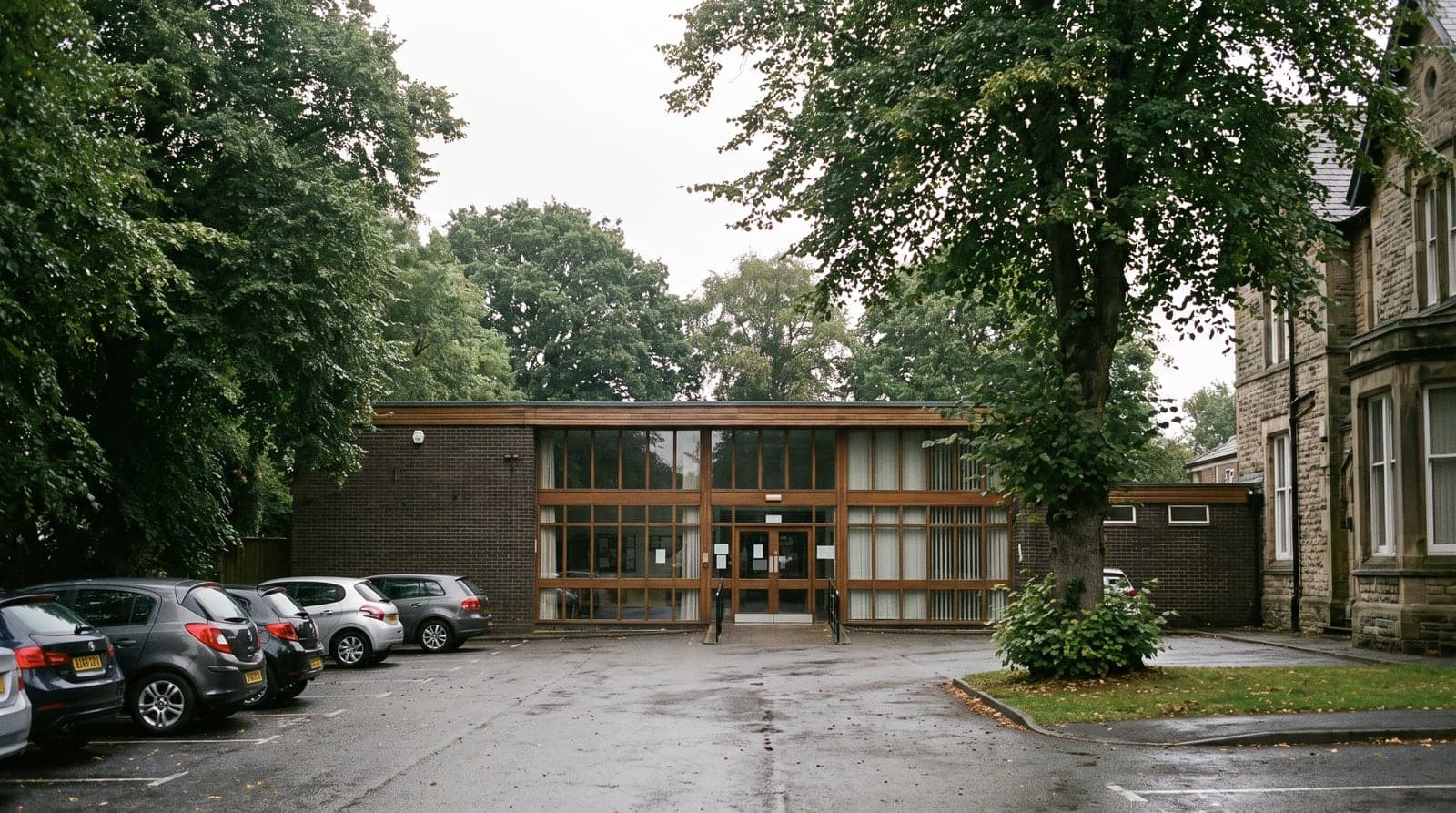
Community building redevelopment, North West
The survey fell through on the day. Reporting that honestly was worth more than data we could not stand behind.
Assessed against
- BS 8233:2014
- BS 4142:2014+A1:2019
- BS 7445
- WHO Guidelines for Community Noise (1999)
- WHO Environmental Noise Guidelines for the European Region (2018)
- Approved Document O (2021)
- National Planning Policy Framework
- Noise Policy Statement for England (2010)
The challenge
A developer was preparing a pre-application submission to demolish a community hall, replace it, and put two new homes elsewhere on the site. The setting is quiet and residential, except that a long-established function and live-events venue sits immediately next door, and a pub with substantial outdoor drinking areas is close by.
This is the classic trap for infill beside established venues. If the new homes turn out to be exposed to music or to people outside a pub, the fixes are heavy glazing with mechanical ventilation, or moving the houses, and both cost several times more once the layout is fixed. The whole point of raising it at pre-application is to find out before that happens.
Two further complications: the council publishes nothing for low-frequency music noise, so the benchmark had to be argued rather than looked up. And the overheating rules push designs towards opening windows, which is the last thing a facade facing a music venue wants.
What we did
We ranked the sources honestly. Music escaping the venue, especially the bass, is the one that could actually determine the scheme. People outside the pub on summer evenings is second. Traffic and everyday residential noise are not constraints on this site.
We then fixed the assessment framework so it could be agreed *before* the developer committed to a design: which standards set the internal and garden criteria, which policy test applies, and, for low-frequency music where the council publishes nothing, we proposed adopting the most directly relevant guidance from a neighbouring authority, which is routinely accepted in the region.
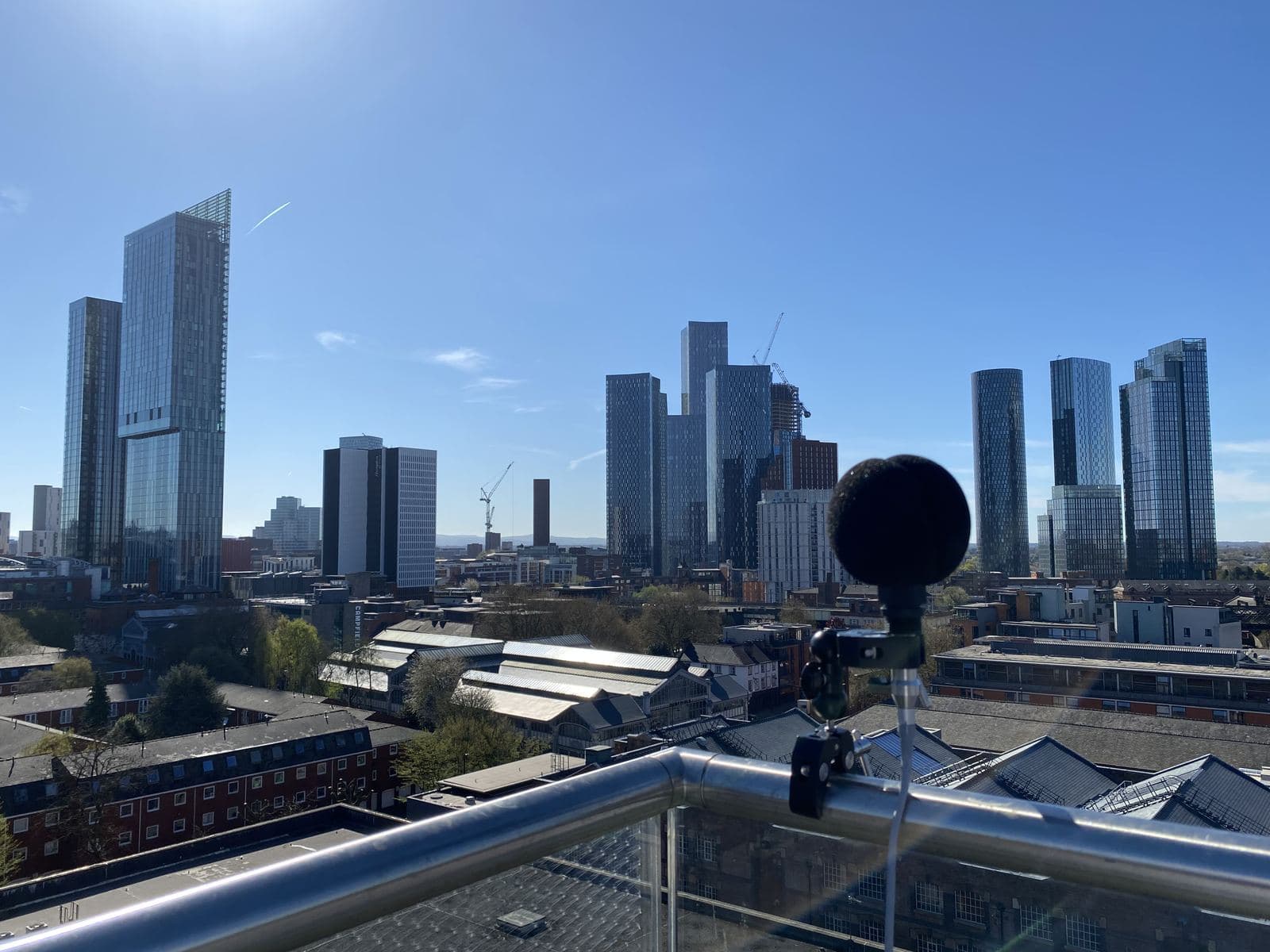
The site visit was deliberately timed to coincide with an advertised event at the venue, so music and pub noise could both be captured at the proposed house positions. On the day, the event was cancelled at short notice, nothing else was running, and the pub's outdoor areas had not opened for the season. Neither source existed to measure. What we recorded was a quiet residential street.
The outcome
We did not present that data as an assessment. A survey taken on a night when the venue was shut says nothing about a scheme whose entire risk is the venue being open, and submitting it would have been worse than useless, because it would have looked like evidence.
Instead the strategy recorded exactly what happened and specified the deferred survey precisely: attended measurements at the proposed house positions, timed to a confirmed amplified-music event, capturing the bass frequencies specifically; and pub noise measured on a warm evening when the outdoor areas are actually busy, taken near the source and near the houses so the sound can be modelled properly between them.
The submission still did its job. It showed the council the acoustic context had been taken seriously early, identified and ranked the sources that matter, and got the method and criteria agreed in principle before the design was committed. The full assessment follows with the planning application. A survey that could not be made representative was reported as such, a much cheaper conversation at pre-application than at determination.
A similar project on your desk?
That is genuinely enough to price most jobs. You will have a fixed quote back the same working day.