Project updates
A Night in Astley: the noise survey you can listen to.
One measured night beside Astley Business Park, published as an instrument: eight hours of calibrated survey audio tied to the level trace, playable from any point with a click, with a running count of the noise events that exceeded the planning prediction.
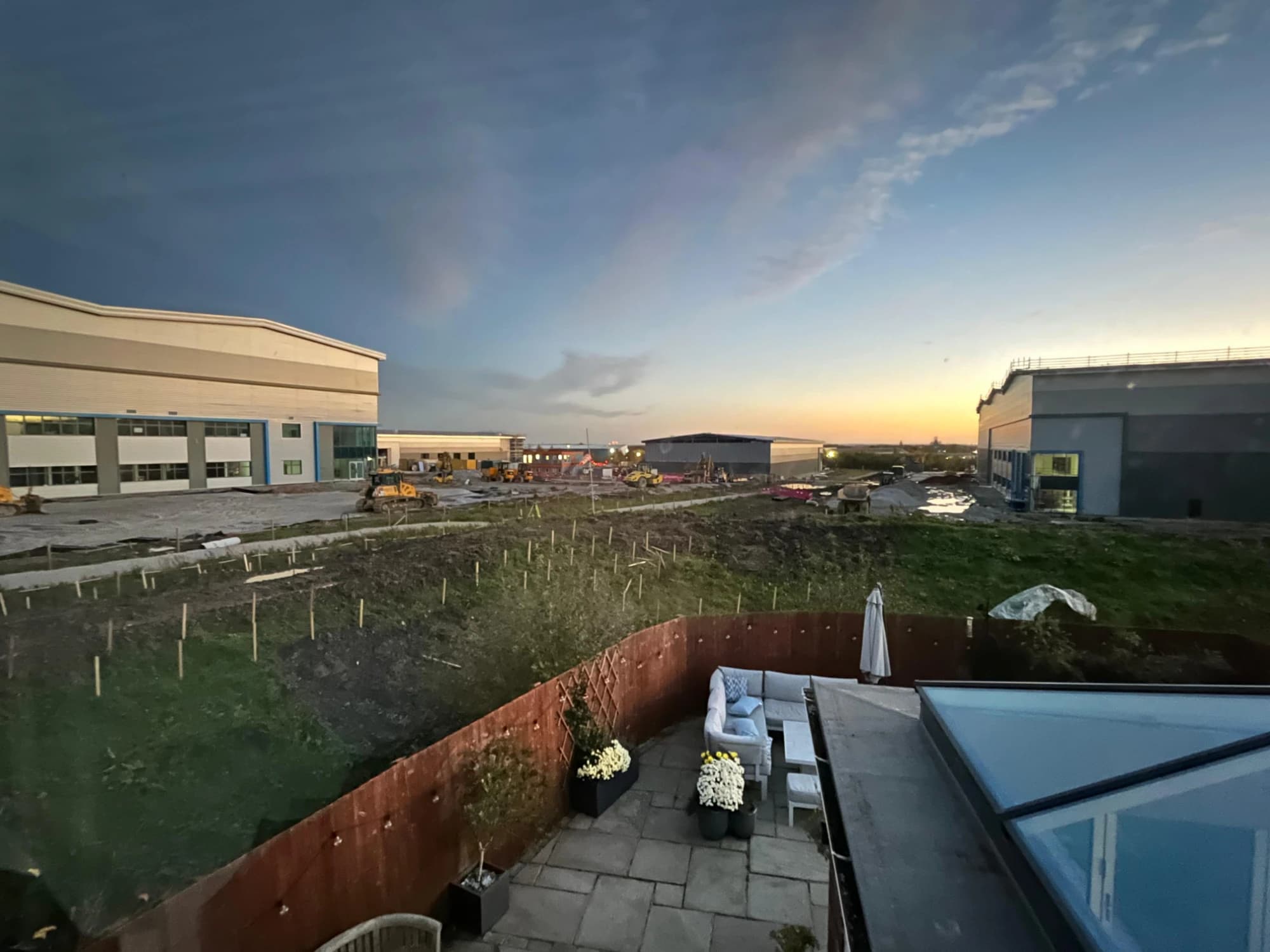
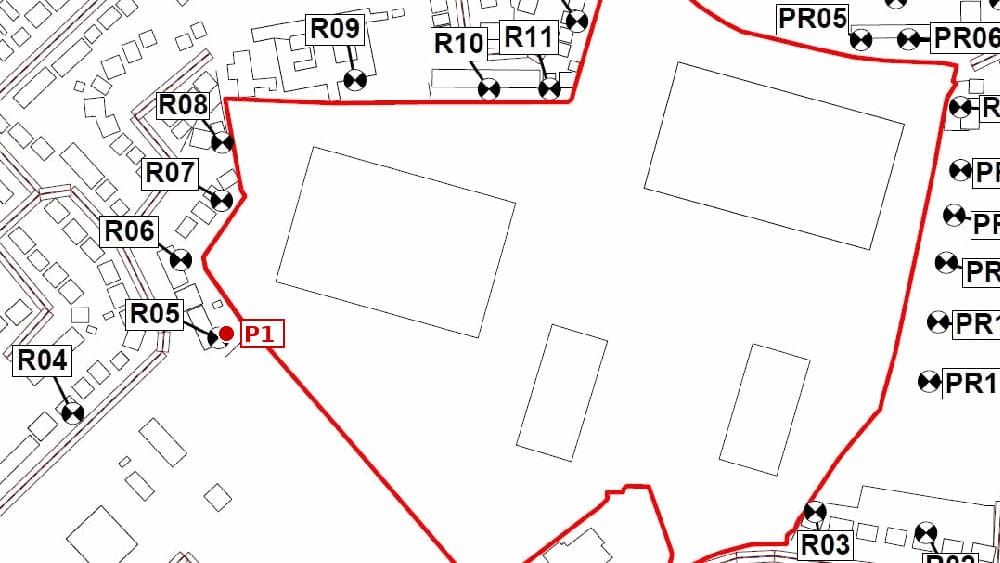
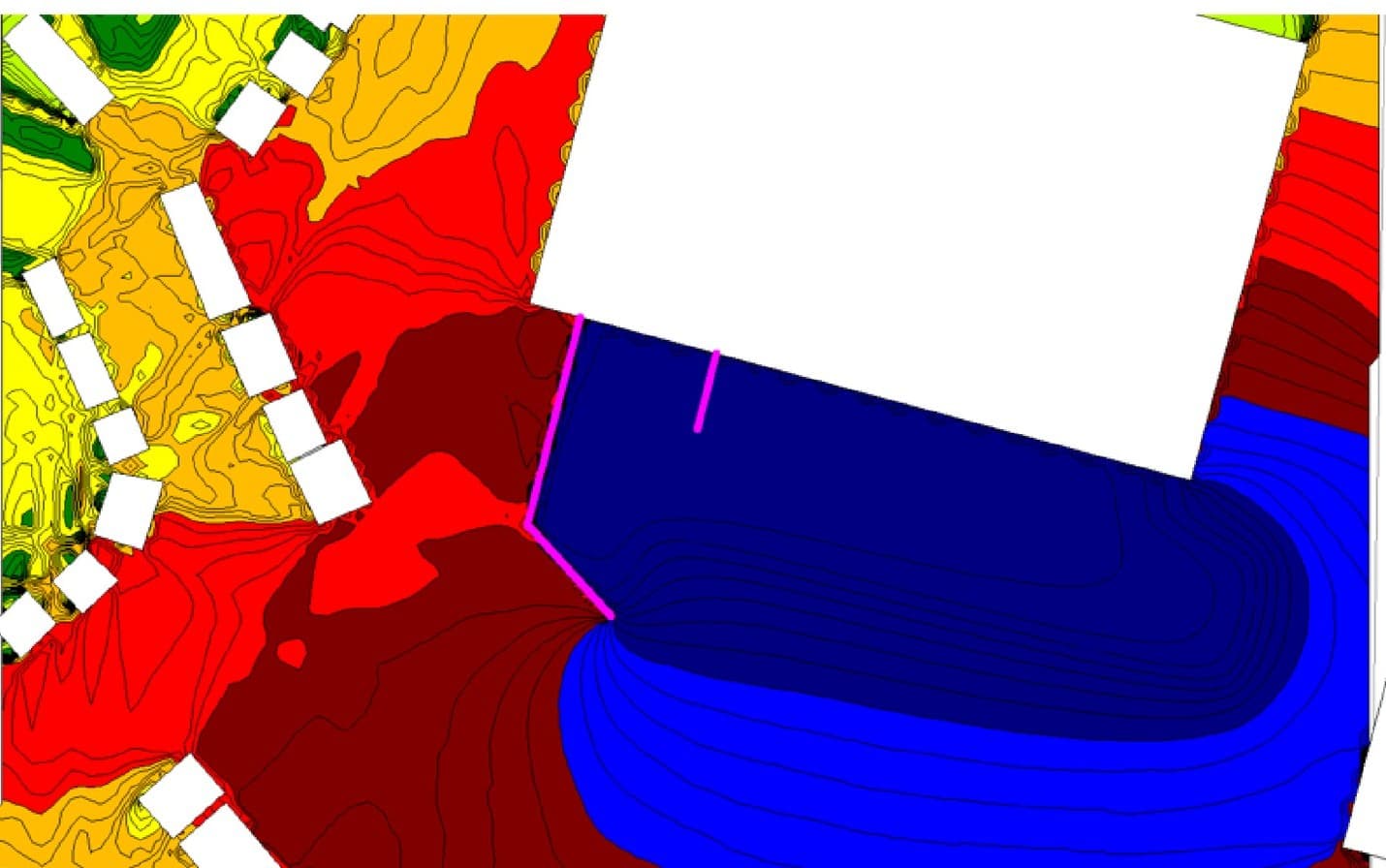
Earlier this month we published the interim findings of our independent noise survey at Astley Business Park: the approved assessment predicted 36 dB inside the nearest bedroom at night, and levels derived from measurement are 61 dB. Those numbers do their work in a report. But the survey also recorded audio through the night, alongside the logged levels, and a figure on a page is one thing while the sound itself is another.
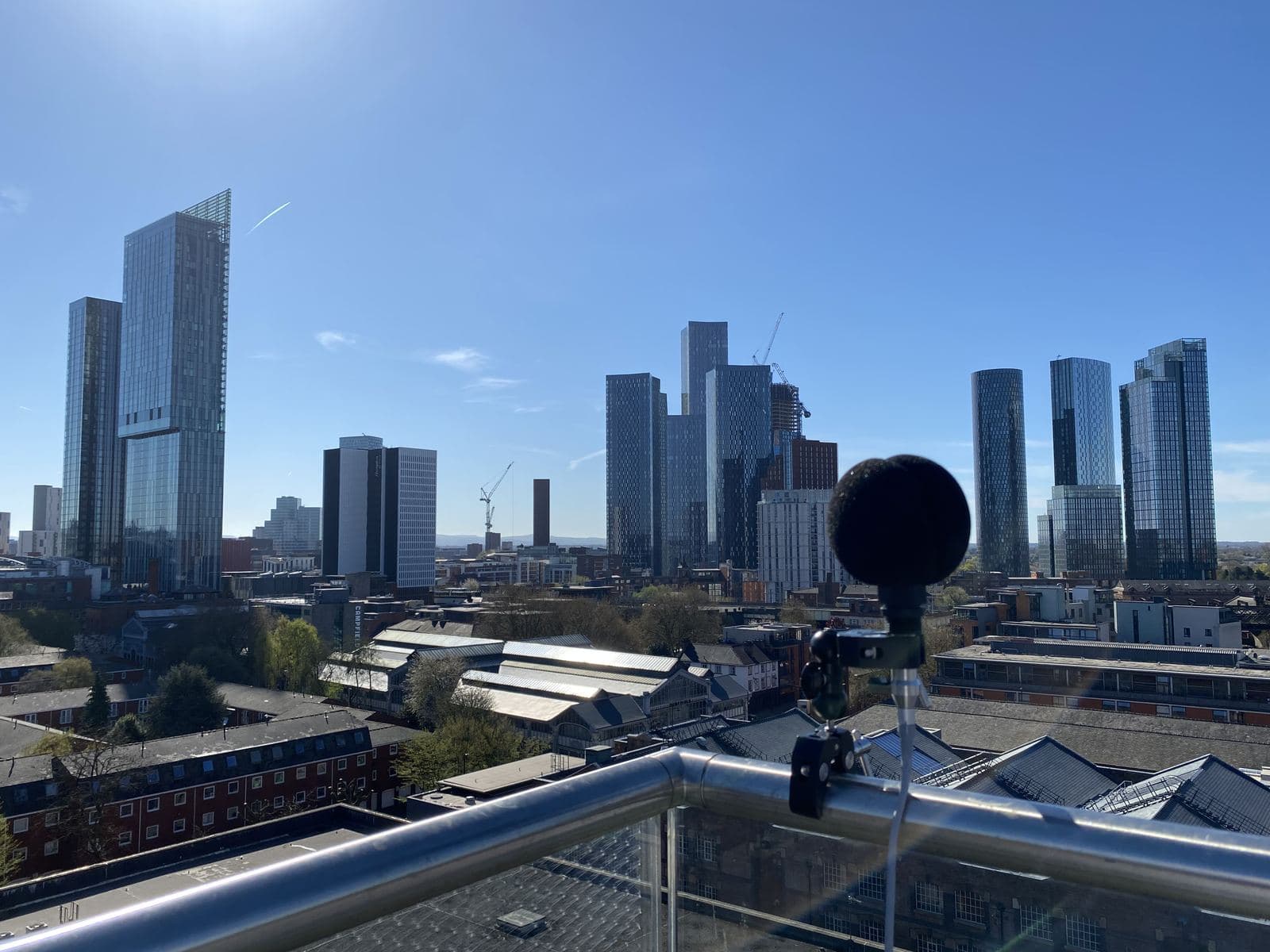
So we built A Night in Astley: one continuous measured night, Tuesday 28 into Wednesday 29 July 2026, 22:00 to 06:00, recorded from a neighbouring garden beside the estate with a calibrated Class 1 sound level meter. The whole eight hours is there. Every second of level, and every second of audio.
Click anywhere on either timeline. The audio is what the microphone heard.
The chart is the interface
The page is built around two views of the same night. The short window shows the seconds around the playhead as bars, one per second, each the loudest instant of that second. The long window shows the whole night at once as line traces, the loudest minute bright and the average dim. Click either one and playback jumps there: the audio follows the cursor, and the cursor follows the audio.
Two reference lines cross the chart, and both come from the planning assessment rather than from us: 34 dB, the night-time background level it adopted, and 51 dB, the maximum it predicted outside the nearest bedrooms with the mitigation in place. Wherever the measured maximum rises above the 51 dB line, the trace turns red.
The number at the top
The headline figure is a running count of noise events exceeding the 51 dB maximum the planning assessment predicted, totalled up to wherever the playhead has reached. The counting is deliberately conservative: a run of seconds at or above the line counts as one event, and a new event is not counted until the level has spent ten seconds back below it. Sounds that are not the estate, an overhead helicopter for instance, are noted on the timeline, greyed on the chart, and left out of the count.
What you are hearing
The audio is the survey's own recording, not a re-recording and not an interpretation. One fixed gain is applied to the entire night, so quiet stays quiet and loud stays loud in proportion: no compression, no equalisation, no per-clip level adjustment. What plays at 03:00 sits exactly as far above what plays at 23:00 as the meter log says it should. Short sections are muted where the microphone caught something private, and the mutes are shown on the chart.
Where to start
The red button plays the loudest moment of the night. From there, a guided tour steps through the fifteen largest separated peaks, each with a short description of what you are hearing, written by listening. Or find your own way in: every point of the night is one click away.
Every moment has an address. Links carry a timestamp, so a specific event can be shared as easily as the page itself, and an embeddable strip of the instrument exists for anyone reporting on the estate. Comments are open, and every comment is reviewed before it is published.
The page states its own method, including exactly how the count works and how the measurement position relates to the position the prediction was made for, so it stands alone. For the findings themselves, the full survey report is the reference: the report, set out in plain terms and there to download, is here.
A survey normally asks you to trust the method. This one lets you listen to it.
About the author
Jamie Murray MIOA is Director of Murray Acoustics Ltd, a Member of the Institute of Acoustics with over 12 years in practice, advising developers, local authorities and private clients on environmental and industrial noise, including the assessment of industrial and commercial sound to BS 4142.
Declared interests
Murray Acoustics Ltd was instructed by the Astley Warehouse Action Group. Neither Jamie Murray nor Murray Acoustics Ltd has any commercial or personal interest in the site, in the development or in its occupiers.
The survey and the page described here have been undertaken without charge to the residents.