Technical notes
How much does a noise survey cost? An honest guide.
Most planning noise surveys land between £1,450 and £2,500 plus VAT. What moves the number, what shouldn't, and where paying less ends up costing more.
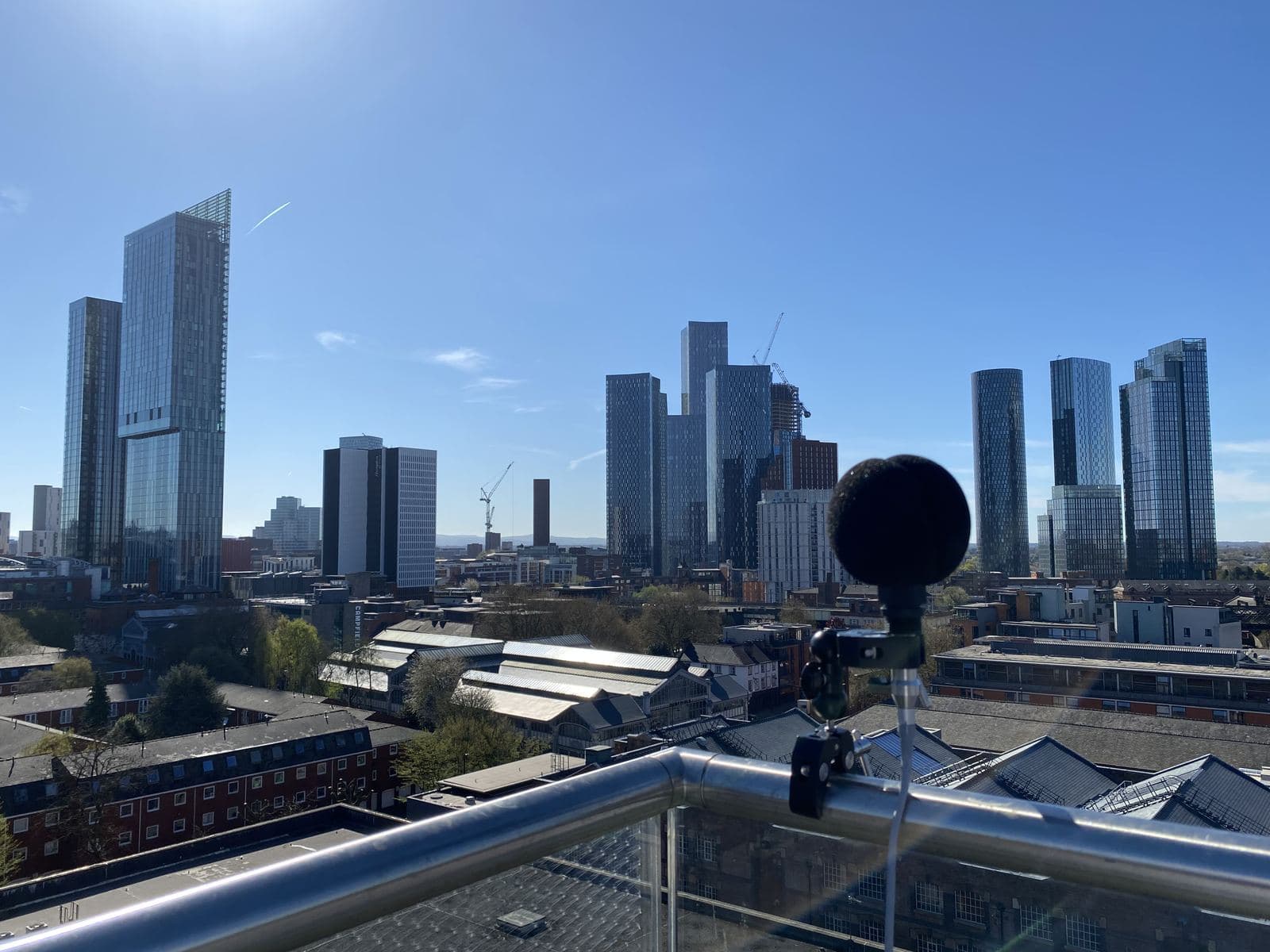
Most planning noise surveys in the UK cost between £1,450 and £2,500 plus VAT, survey and written assessment together. Desk-based work comes in under that; complex multi-source schemes go over it, sometimes considerably. That is the straight answer, and if you only wanted a number, you can stop here.
The longer answer is more useful, because the range says nothing about why one job is £1,500 and a similar-looking one is £4,000. This note sets out what the market charges, what actually moves the figure, and where paying less costs more.
Why most firms won't tell you
Roughly four in five UK acoustic consultancies publish no prices at all. The stated reason is that every job is different, which is true. The practical effect is that you cannot compare anything until you have phoned three firms and waited for three callbacks, usually against a validation deadline. We think the ranges are perfectly publishable as long as they are honest about what moves them, so here they are.
What noise assessment work costs in the UK
These bands reflect what UK consultancies, including the few who publish their fees, actually charge. Where your job falls within them depends on scope, which is the subject of the next section.
- Desk-based work, such as an MCS 020 heat pump calculation or a plant selection review, with no site measurement: £500 to £950
- Plant noise assessment to BS 4142, single source, with a background survey: £1,350 to £2,800
- Residential planning survey and assessment to BS 8233 and ProPG: £1,450 to £2,900
- Full planning noise assessment, survey and report, for most sites: £1,750 to £3,450
- Multi-source industrial sites, EIA noise chapters and contested schemes: £2,500 to £10,000 and beyond
Our own work sits inside those bands: most planning noise surveys we quote land between £1,450 and £2,500 plus VAT, as a fixed fee agreed before we start.
The four things that move the price
Almost all of the difference between a cheap survey and an expensive one comes down to four scope variables. The number of measurement positions: one logger at the worst-affected receptor is the base case, and every additional position adds equipment, deployment time and analysis. The duration: 24 hours of unattended logging is the floor for most planning work, but where night-time or weekend conditions govern, several days or more may be needed to make the data defensible. Whether an engineer needs to attend: unattended logging captures levels, but only a person on site can attribute them to sources, and some assessments turn on exactly that. And the number of standards in play: a condition naming BS 8233 alone is one assessment; a mixed-use scheme needing BS 8233, BS 4142 and an entertainment noise appraisal is three, in one report.
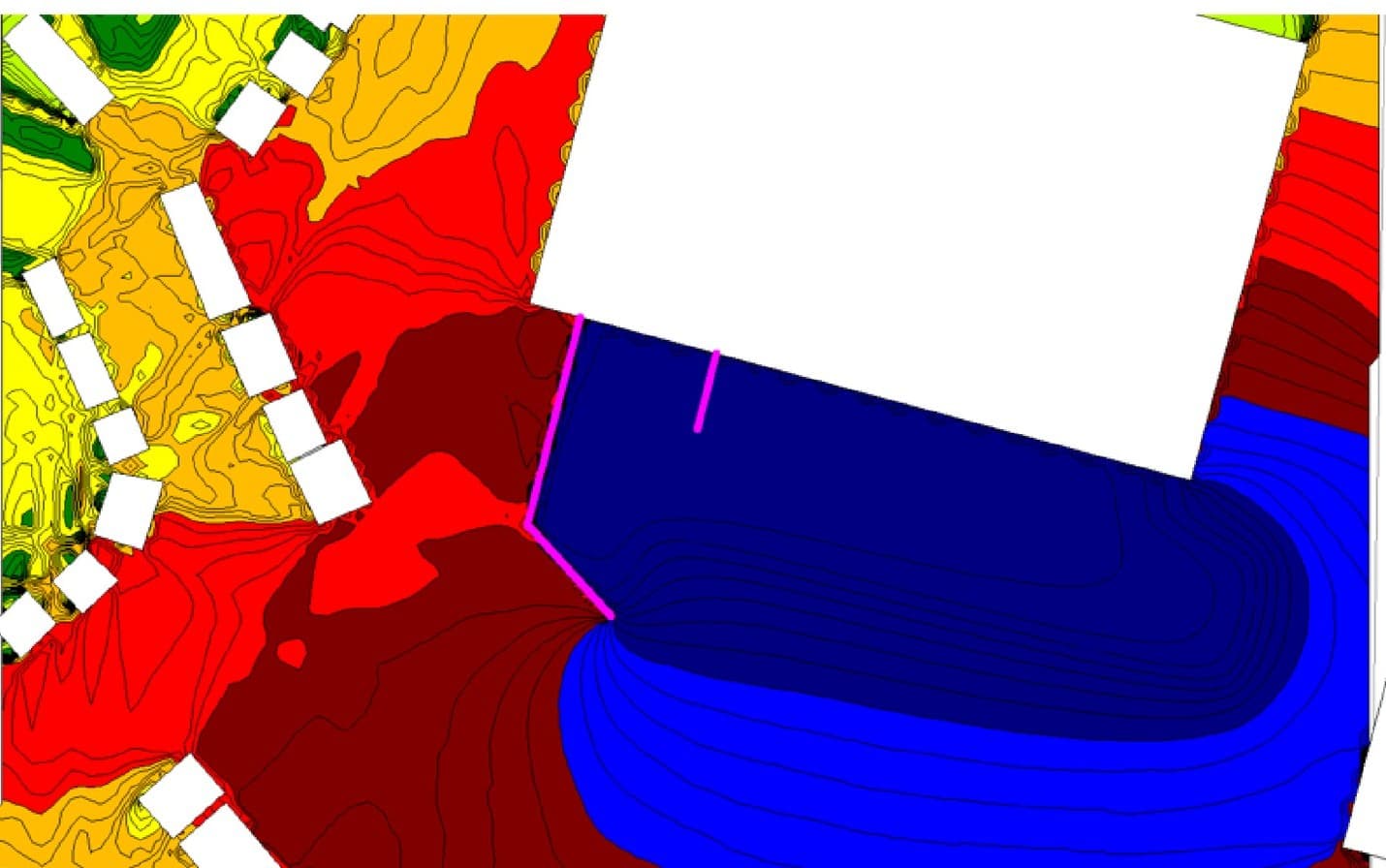
A fifth cost driver appears on bigger schemes: noise modelling. Where the geometry is complicated or a council wants contour plots, building and validating the model is real additional work, and a quote that includes it will be visibly higher than one that does not. If two quotes differ sharply, this is the first place to look.
What should not move it
Travel, for one. Most surveys are unattended, so equipment is deployed and collected, and the survey runs the same wherever the site is. Be sceptical of large location surcharges on unattended work.
The result, for another. A survey that finds a problem takes the same effort as one that does not, and a consultant should be paid to measure and assess, not to reach a particular conclusion. Anyone pricing per outcome is selling something other than acoustics.
Where paying less costs more
The most expensive noise survey is the one the council rejects.
A report that fails scrutiny does not just cost its own fee again. It costs the weeks it takes the officer to review and refuse it, the re-survey under conditions the first survey should have covered, and sometimes a refused application that has to come back around as a resubmission. Surveys fail for predictable reasons: too short a measurement period, no weather records, the wrong index reported, the wrong standard applied. A quote that is dramatically below the bands above is usually cheap because one of those corners has been cut.
The legitimate way to pay less is narrower scope, not thinner work. The council's condition or validation checklist defines what is actually required, and it is frequently less than a consultant would propose unprompted. We read the decision notice before quoting for exactly that reason; paying for survey work the condition does not ask for is a real and avoidable cost.
Getting a real number
Any consultant should be able to turn a postcode and the council's wording into a fixed fee within a working day, and hold it. If the quote arrives as a day rate, ask what happens when the weather invalidates a night of logging. If it arrives without the standards named, ask which ones the fee covers. The answers tell you more about the eventual invoice than the headline figure does.
About the author
Jamie Murray MIOA is Director of Murray Acoustics Ltd, a Member of the Institute of Acoustics with over 12 years in practice, advising developers, local authorities and private clients on environmental and industrial noise, including the assessment of industrial and commercial sound to BS 4142.