

Greater London
Acoustic consultants in London.
Thirty-three planning authorities, each with its own validation requirements, and the most demanding acoustic conditions in the country.
The local picture
What we deal with in London.
London is not one planning authority but thirty-three, and their noise requirements differ meaningfully. Some boroughs set their own plant noise criteria in local policy, commonly expressed as a margin below background rather than the comparison BS 4142 describes, and several are considerably more demanding than the national picture. Assuming a standard approach across London is the most common mistake we see in assessments written from outside it.
Density drives the rest. Plant is on roofs and in basements with residential immediately adjacent; commercial kitchens sit beneath flats; and the sheer amount of mixed use means most schemes need both BS 8233 internal targets and a BS 4142 plant assessment. The London Plan's agent-of-change policy also gives established venues real protection, which shapes how residential schemes near them have to be designed.
Underground and surface rail add groundborne noise and vibration, which is a different assessment again: it travels through structure rather than air, is not solved by glazing, and needs to be identified early because the mitigation is structural.
Typical instructions
Work that comes up here.
Taken from the job book rather than a service list. If yours is not on it, it is still likely to be routine. Send the wording and we will say so.
- BS 4142 plant assessments against borough-specific criteria
- Residential conversion and change of use noise assessments
- Commercial kitchen extract and rooftop plant assessment
- Entertainment noise and agent-of-change assessments near venues
- Groundborne noise and vibration assessment near rail and Underground lines
Local detail
We read your checklist before we price it.
Validation requirements vary between authorities and between applications. We read the one for yours before quoting, so the scope matches what is being asked for rather than what is usually asked for.
- Determined byThe 32 London boroughs and the City of London
- CountyGreater London
- Getting to siteTwo hours by train; surveys are deployed unattended and collected after.
- InstrumentationClass 1, calibrated and certificated
- Fee basisFixed, agreed before we start
- Report turnaroundFive working days from survey
The fee is fixed before we book the survey, wherever the site is. Most surveys use unattended monitoring: the equipment is installed, left for the period the standard asks for, and collected.
What you can instruct
Services available in London.
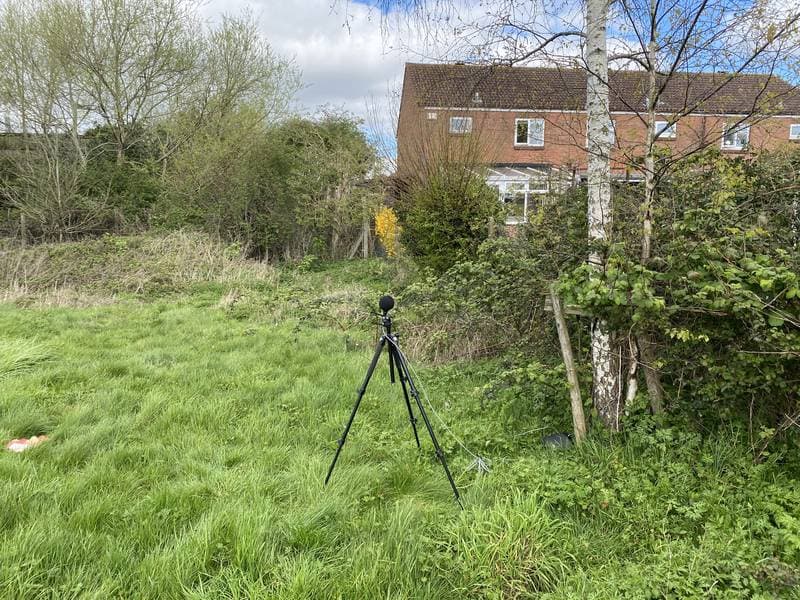
Noise Surveys
Baseline and environmental monitoring, attended or unattended.
Learn moreNoise Impact Assessments
BS 4142, BS 8233 and ProPG assessments that planning officers accept.
Learn more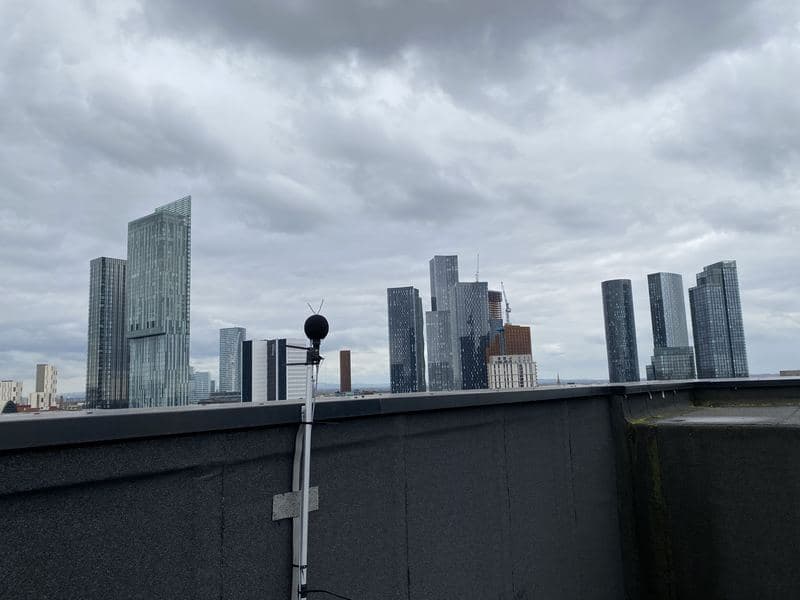
Plant Noise
ASHPs, chillers, kitchen extract and refrigeration, assessed against background.
Learn more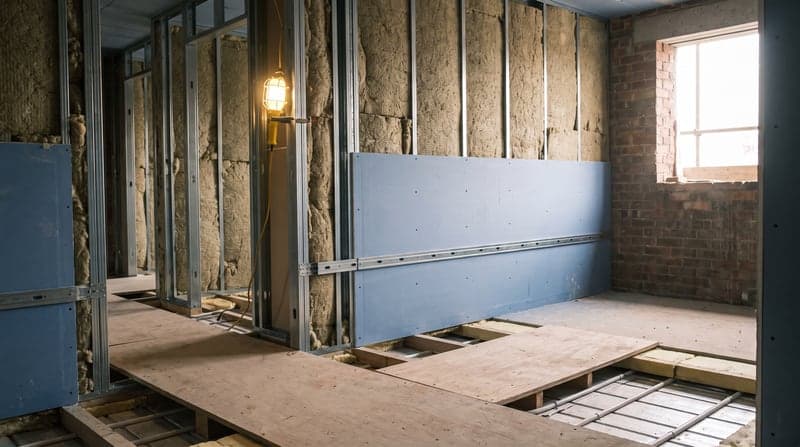
Acoustic Design
Practical input at every RIBA stage: specifications contractors can build from.
Learn more
Noise at Work
HSE-compliant workplace assessments under the 2005 Regulations.
Learn more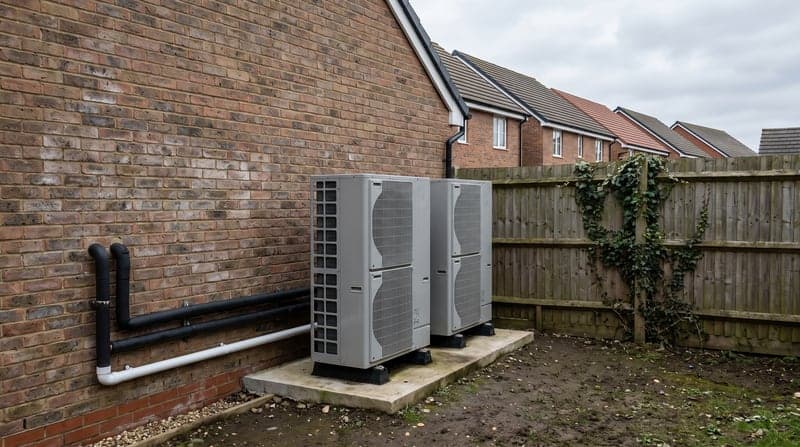
Heat Pump Noise Assessments
MCS 020 calculations and BS 4142 assessments for ASHPs, single units to multi-unit schemes.
Learn moreNot sure which standard applies to your condition? The Approved Document E, ProPG, BS 4142 references explain what each one asks for, or send us the letter and we will tell you.
Questions
London: common questions.
Do London boroughs have their own noise requirements?
Yes, and they vary. Several set plant noise criteria in local policy expressed as a margin below the background level, which is more demanding than the comparison BS 4142 sets out. We check the specific borough's policy before quoting rather than assuming a standard approach.
You are based in Manchester. Does that work for a London scheme?
Yes. Most surveys use unattended monitoring: the equipment is deployed, left for the required period and collected. The fee is fixed, and the local knowledge that matters is the borough's policy rather than anyone's postcode.
What is groundborne noise?
Noise that reaches a building through the ground and structure rather than through the air, typically from underground or surface rail. It is not solved by glazing or ventilation, and the mitigation is usually structural, so it has to be identified before the design is fixed.
Working on something in London?
Send a postcode and a sentence. We're ready to price it right now.